Radical Harmony: Helene Kröller-Müller’s Neo-Impressionists at the National Gallery
What is the Radical Harmony: Helene Kröller-Müller’s Neo-Impressionists exhibition?
Radical Harmony is a major exhibition at London’s National Gallery showcasing the world’s most significant collection of Neo-Impressionist art, assembled by Dutch collector Helene Kröller-Müller. Featuring Seurat, Signac, Van Gogh and Cross, it explores pointillism’s luminous colour, scientific method, and radical social ideas through landscapes, portraits, and interiors.
Exhibition at a Glance
- What: Radical Harmony: Helene Kröller-Müller’s Neo-Impressionists
- Where: The National Gallery, London (Sainsbury Wing)
- When: 13 September 2025 – 8 February 2026
- Why Go: Dazzling pointillist masterpieces
- Tickets: From £25. Book online in advance.
To place Neo-Impressionism in context with the museum’s permanent masterpieces, consider joining a National Gallery Private Tour led by our expert guides. Note: the private tour focuses on the permanent collection and does not include exhibition entry.
About the Exhibition: Radical Harmony
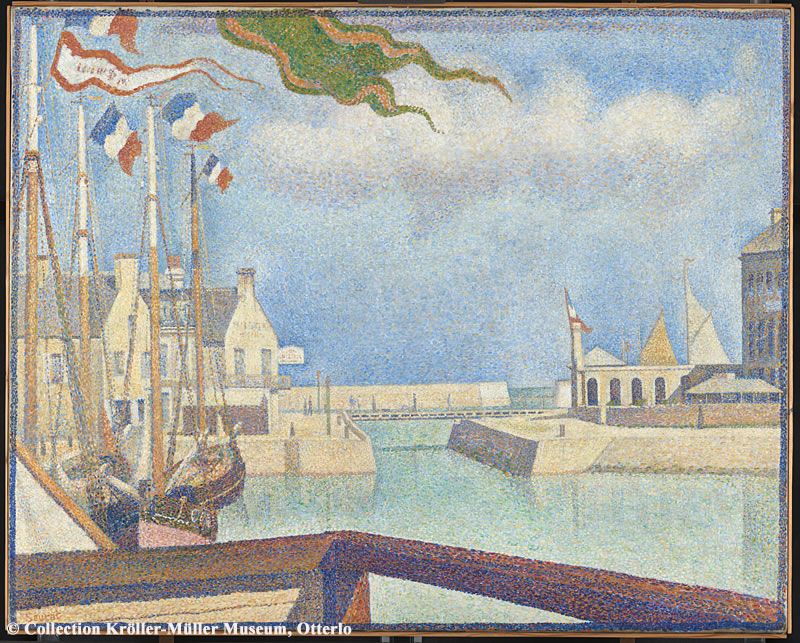
Radical Harmony brings to London more than 70 works—many never before seen in the UK—from the renowned Kröller-Müller Museum in Otterlo. Helene Kröller-Müller, one of the 20th century’s great patrons, created the world’s most complete Neo-Impressionist collection with the goal of making it accessible to all. This collaboration between the National Gallery and the Kröller-Müller Museum reveals how, by the late 19th century, artists were moving beyond fleeting impressions toward deliberate, scientifically informed compositions built from pure colour.
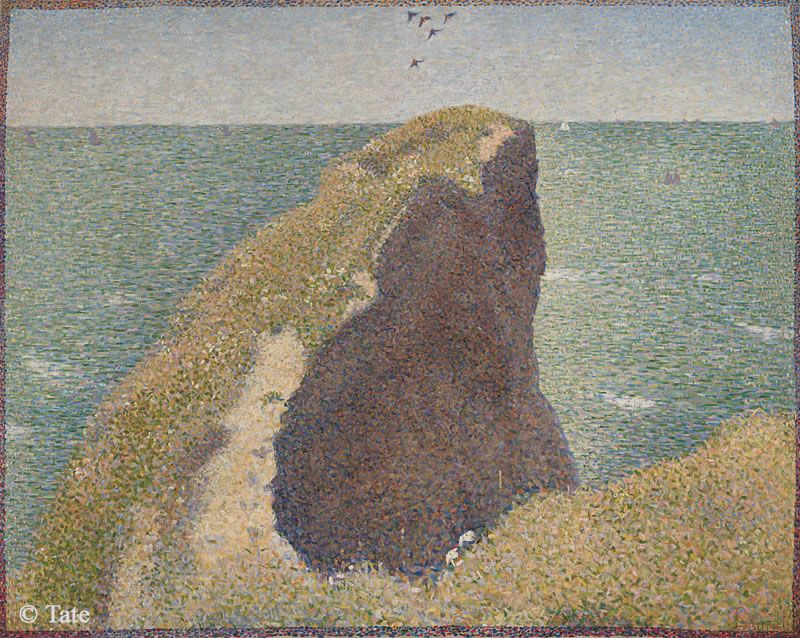
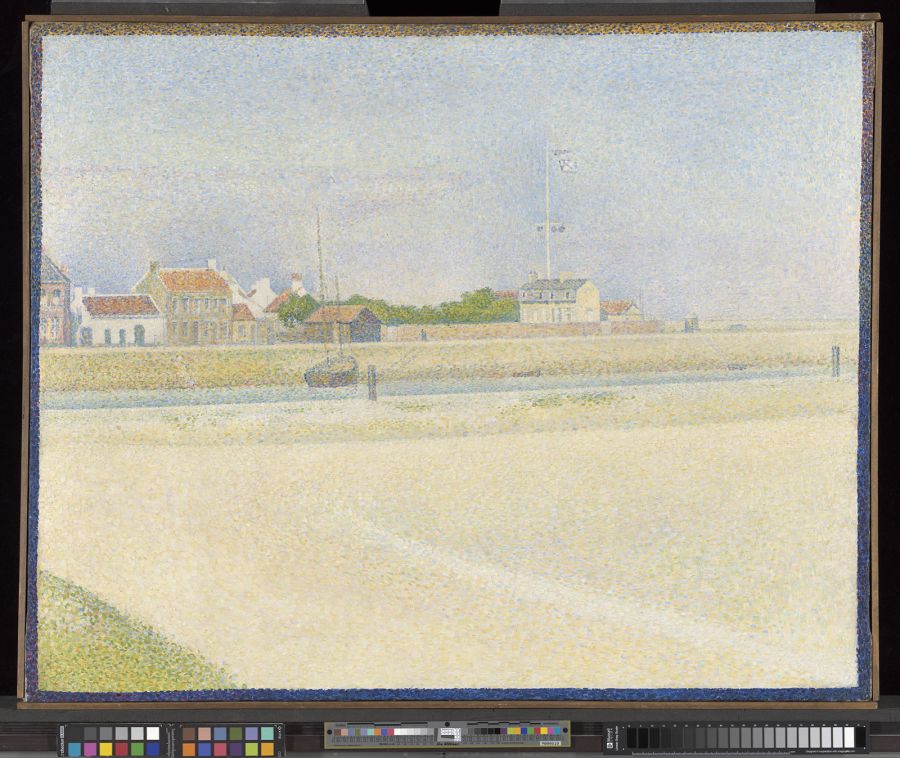
Neo-Impressionism—often known as pointillism—relies on small, separate strokes of unmixed pigment that merge optically to create shimmering effects of light and atmosphere. Artists like Georges Seurat and Paul Signac combined rigorous structure with the science of perception, producing works that appear almost abstract while remaining grounded in the observation of modern life.
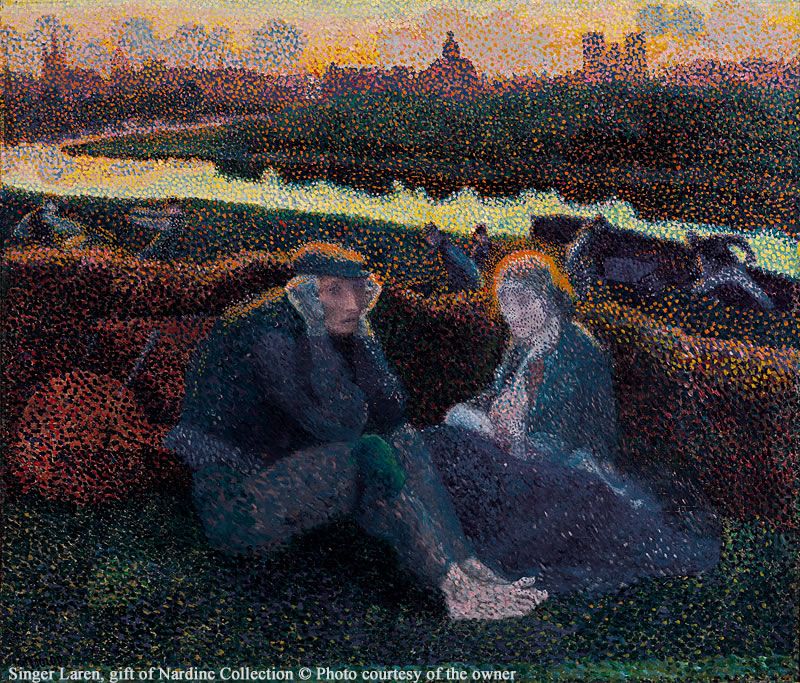
The movement was as political as it was aesthetic: many Neo-Impressionists embraced progressive ideals, portraying labour, leisure, and the urban environment of the new industrial age. Their art reflects both harmony and tension—a synthesis of beauty, intellect, and social consciousness.
For the latest visitor information and any special events, check the official Radical Harmony exhibition page at the National Gallery. You can also explore the museum more broadly through our National Gallery guide.
Artists and Must-See Works
Highlights include key figures who defined Neo-Impressionism’s visual language:
- Georges Seurat: The movement’s founder. His meticulous compositions demonstrate a balance between science and serenity.
- Paul Signac: A master of radiant colour whose harbour scenes and coastal views glow with Mediterranean light.
- Vincent van Gogh: His Paris period reflects deep dialogue with Seurat and Signac, bridging Impressionism and expressionist emotion.
- Henri-Edmond Cross: Known for vibrant, mosaic-like coastal paintings that push pointillism toward abstraction.
- Anna Boch & Jan Toorop: Their works showcase the international spread of the style and its engagement with social modernity.
Observe each work from multiple distances: up close, colours separate into distinct dots; from afar, they fuse into luminous harmony—the very principle that gives the exhibition its name.
Planning Your Visit: Dates, Tickets & Tips
- Dates: 13 September 2025 – 8 February 2026
- Tickets: Adults £25; free for Members. Timed entry applies—advance booking recommended.
- Best times to visit: Weekday mornings or Friday evenings (open until 21:00) offer a quieter experience.
- Bags & security: Large bags must be left in the cloakroom. Expect security checks before entry.
- Visit duration: Around 60–75 minutes for the exhibition; more if you read interpretive materials.
- Combine experiences: Before or after your visit, explore Impressionist and Post-Impressionist works in the permanent collection to see how Neo-Impressionism evolved from them.
Struggling to connect the artistic dots?
Understanding how Seurat and Signac transformed Impressionism can be challenging without context. Our National Gallery Private Tour helps you trace that journey through the permanent collection, making Radical Harmony even more rewarding. Note: Exhibition tickets are not included and must be purchased separately.
Why Visit Radical Harmony?
- Exceptional loans: Over 70 masterpieces from the Kröller-Müller Museum, many never before seen in Britain.
- Science meets art: See colour theory and optics turned into luminous harmony on canvas.
- Social insight: Explore how progressive ideals shaped a new visual language for the modern world.
- Complementary experience: Perfectly paired with the National Gallery’s permanent Impressionist collection.
Practical Information (Checklist)
- Dates: 13 September 2025 – 8 February 2026
- Opening Hours: Daily 10:00–18:00; Fridays until 21:00 (check updates here)
- Location: The National Gallery, Sainsbury Wing, Trafalgar Square, London WC2N 5DN
- Tickets: Adults £25; members free (advance booking essential)
- How to Get There: Underground: Charing Cross, Leicester Square, or Embankment. Numerous buses stop at Trafalgar Square.
For more cultural highlights in London, browse our selection of current Temporary Exhibitions.
Conclusion
Radical Harmony offers Londoners and visitors a rare chance to experience Neo-Impressionism’s radiant synthesis of science, colour, and modern life. On view now at the National Gallery, it’s a journey into light and thought—made even richer when paired with a private tour of the permanent collection (exhibition entry not included).
Author: The London Museum Tours Team
This article was curated by the London Museum Tours team. With years of experience guiding visitors through London's permanent collections and temporary exhibitions, our goal is to help you plan the perfect visit.