Zurbarán – National Gallery Exhibition 2026
What is the Zurbarán exhibition?
Zurbarán is the National Gallery’s 2026 exhibition dedicated to Francisco de Zurbarán, one of the great painters of Baroque Seville. Bringing together major loans from Europe and the United States, it traces his religious commissions, monumental saints, private devotional paintings and rare still lifes.
Exhibition at a Glance
- What: Zurbarán
- Where: National Gallery, London
- When: 2 May – 23 August 2026
- Why Go: Spain’s Baroque stillness, drama and light
- Tickets: From £20. Book online in advance.
About the Exhibition: Zurbarán
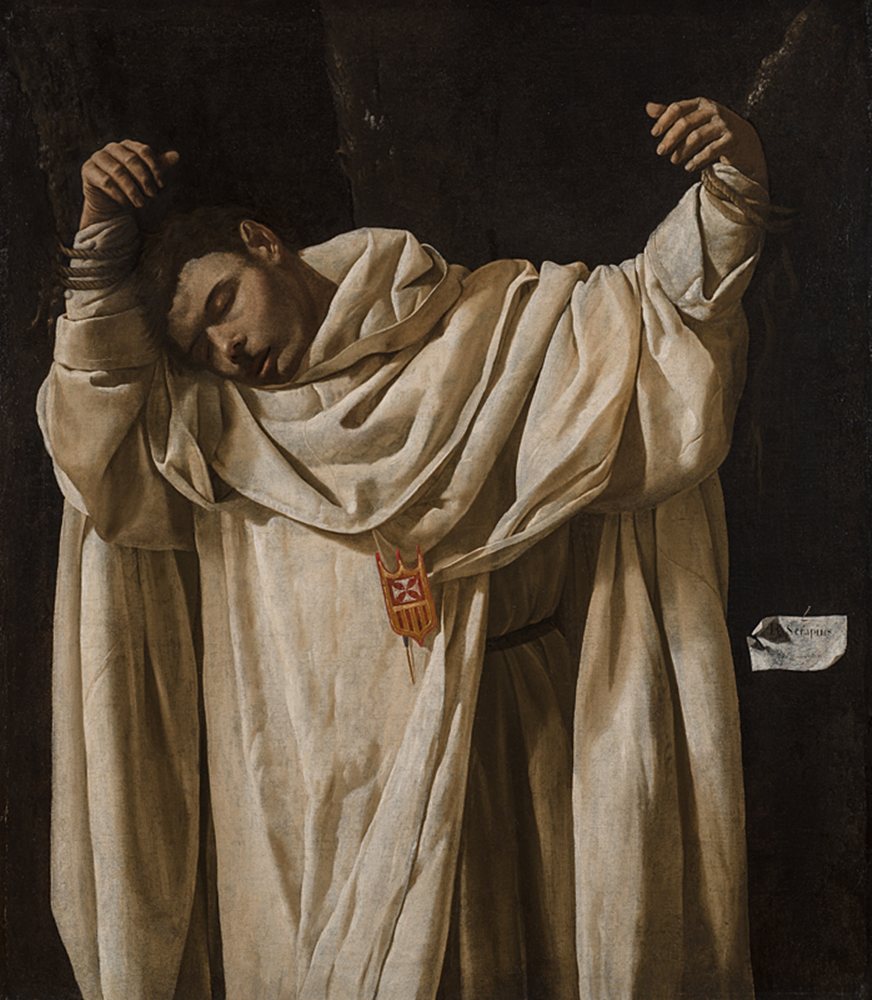
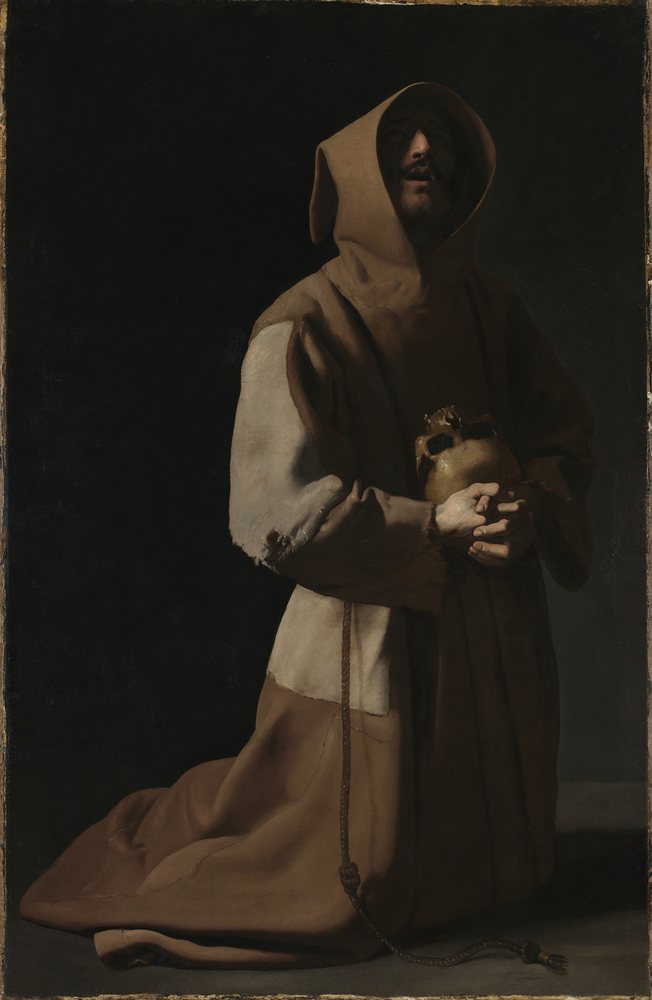
The Zurbarán exhibition at the National Gallery is the first major monographic exhibition in the UK devoted to Francisco de Zurbarán. For visitors who know Velázquez but have only a passing sense of Zurbarán, this is a rare opportunity to stand in front of a painter whose world is quieter, stranger and more concentrated: saints emerge from darkness, fruit seems held in suspension, and fabric carries almost as much emotional weight as the human figure.
Zurbarán spent most of his career in Seville, a city transformed in the seventeenth century by maritime trade with the Americas and by the visual culture of religious orders, processions and public devotion. His paintings were made for monasteries, churches, private patrons and, for a brief moment, the court of Philip IV in Madrid. This matters when looking at the exhibition: these works were not conceived as neutral museum objects, but as instruments of attention. They asked viewers to stop, look, contemplate and believe.
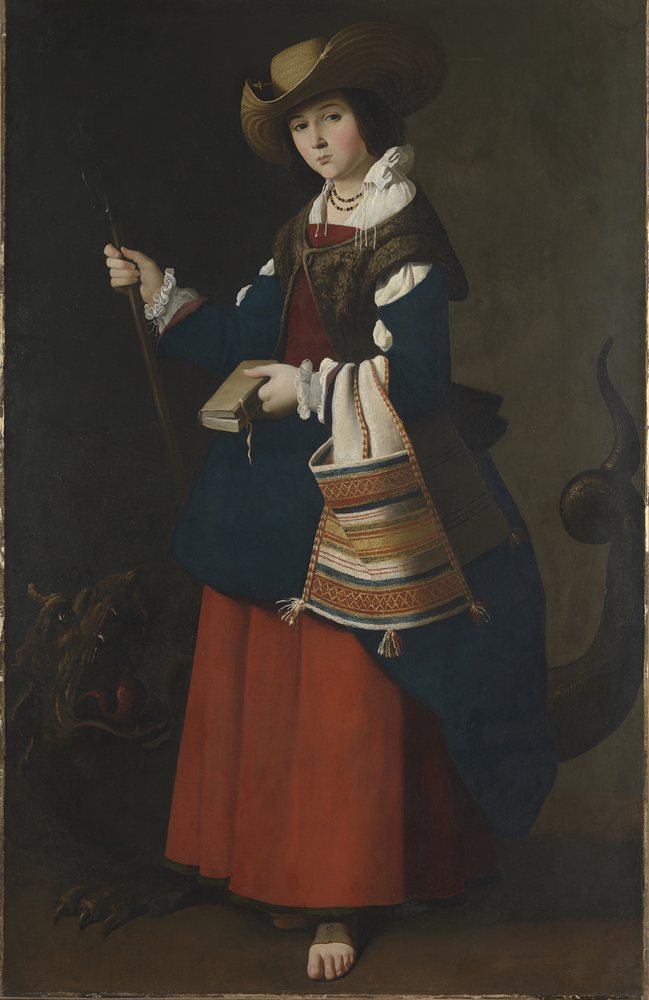
The National Gallery’s own collection gives the exhibition a natural London anchor. Its National Gallery holdings include Zurbarán’s Saint Margaret of Antioch and Juan de Zurbarán’s Still Life with Lemons in a Wicker Basket, both of which help explain why the artist’s reputation has never rested only on religious drama. Zurbarán’s genius lies in the way he makes the material world — fleece, linen, wicker, citrus peel, leather, embroidery — feel like a route into the invisible.
The exhibition is organised by the National Gallery, London, the Musée du Louvre, Paris, and the Art Institute of Chicago. It brings together major works from international collections, including the Prado, the Louvre, the Art Institute of Chicago, the Cleveland Museum of Art, the Norton Simon Foundation and the Museo Nacional Thyssen-Bornemisza. For anyone following Exhibitions in London, this is one of the most substantial Old Master shows of the 2026 season.
Artists and Must-See Works
The exhibition begins from Zurbarán’s ability to make vision feel physically present. In works such as The Apparition of Saint Peter to Saint Peter Nolasco and The Crucified Christ with a Painter, the supernatural is not softened into atmosphere; it arrives with weight, shadow and silence. This is the key to Zurbarán’s art. He does not ask the viewer to admire religious subjects from a distance. He brings them close enough for the eye to register the fall of cloth, the pressure of a body, the darkness around a figure.
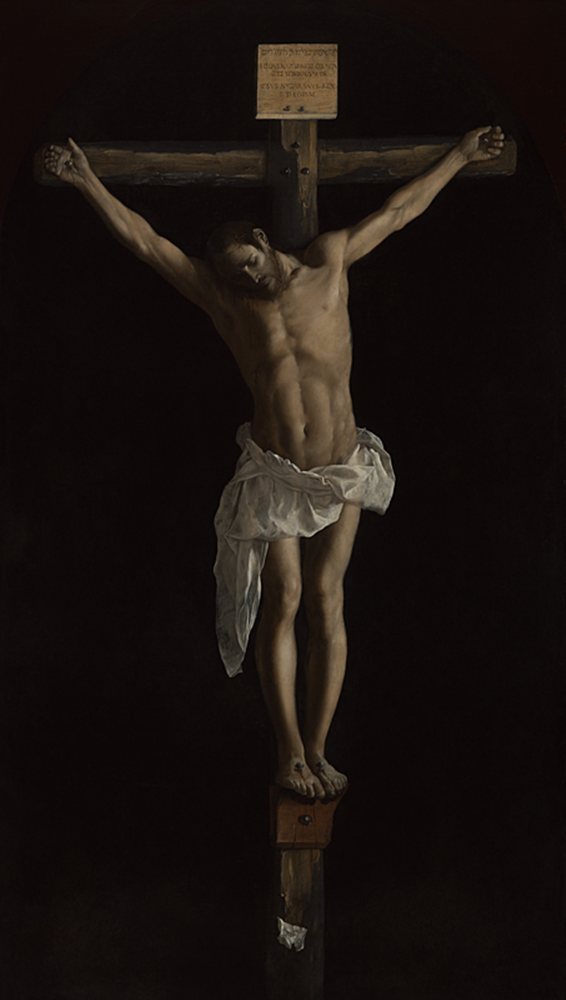
One of the most arresting works in the exhibition is The Crucifixion, painted in 1627 and now in the Art Institute of Chicago. It was commissioned for the Dominican monastery of San Pablo el Real in Seville as part of a large cycle of paintings. In front of it, the first thing to notice is not narrative but isolation: Christ’s body is set against darkness, the pale cloth at the waist sharply lit, the silence around the cross almost architectural. Zurbarán was still a young painter, but the work already shows the directness that made his reputation in Seville.
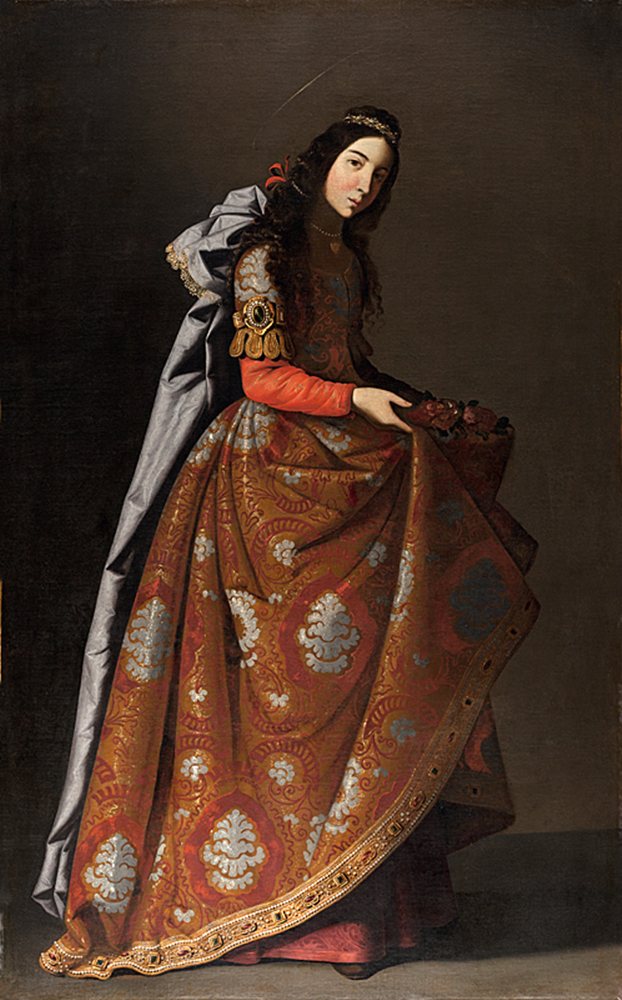
The room devoted to the “Fabric of Saints” is likely to be one of the most memorable parts of the exhibition. Zurbarán’s father was a haberdasher, and whether or not that childhood experience directly shaped his eye, his paintings suggest a lifelong fascination with textiles. Saint Casilda, from the Museo Nacional Thyssen-Bornemisza, shows a saint whose story is bound to concealment and transformation: according to legend, Casilda carried food to Christian prisoners and, when discovered, the food was miraculously changed into roses. Zurbarán turns that legend into a study of surface — the fall of the skirt, the controlled elegance of the figure, the tension between courtly appearance and private devotion.
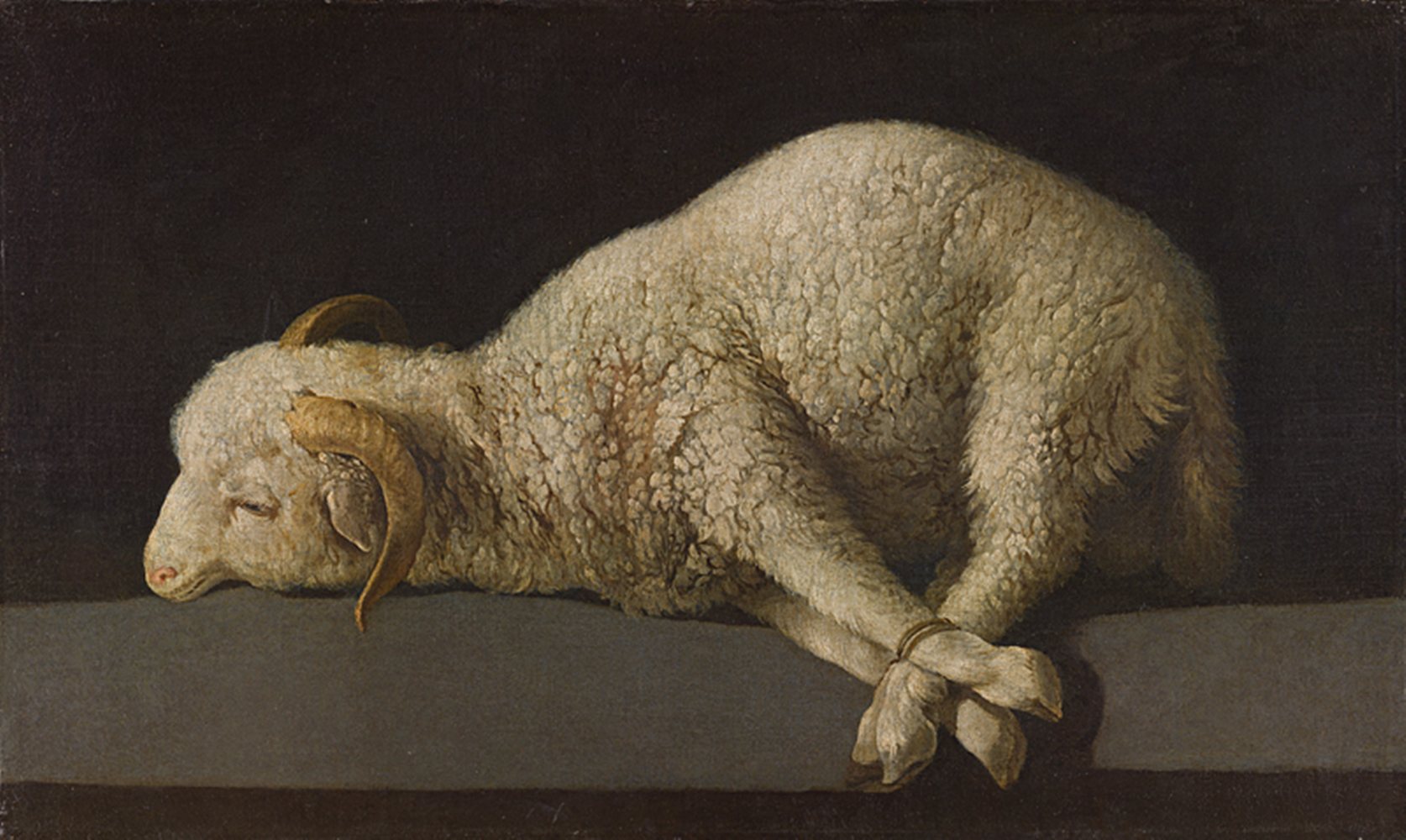
At the other end of the emotional register is Agnus Dei, from the Museo Nacional del Prado. The lamb lies on a stone ledge, its legs tied, its fleece rendered with extraordinary restraint. The image is devotional — the Lamb of God, an emblem of Christ’s sacrifice — but it is also intensely literal. Zurbarán makes the animal neither decorative nor sentimental. Its body occupies the picture with the quiet force of something seen from life, and that is why the painting can move even viewers who do not share its religious language.
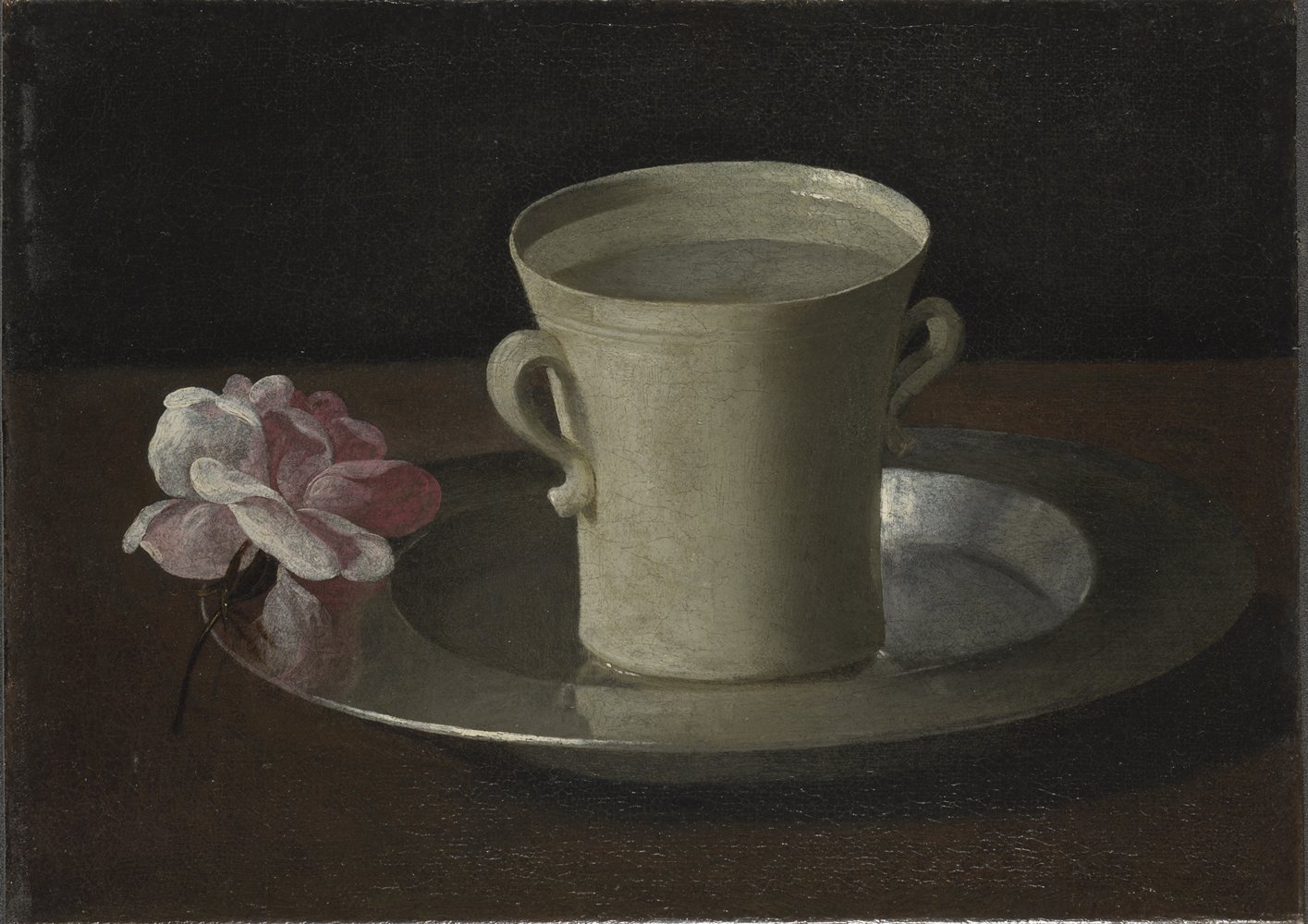
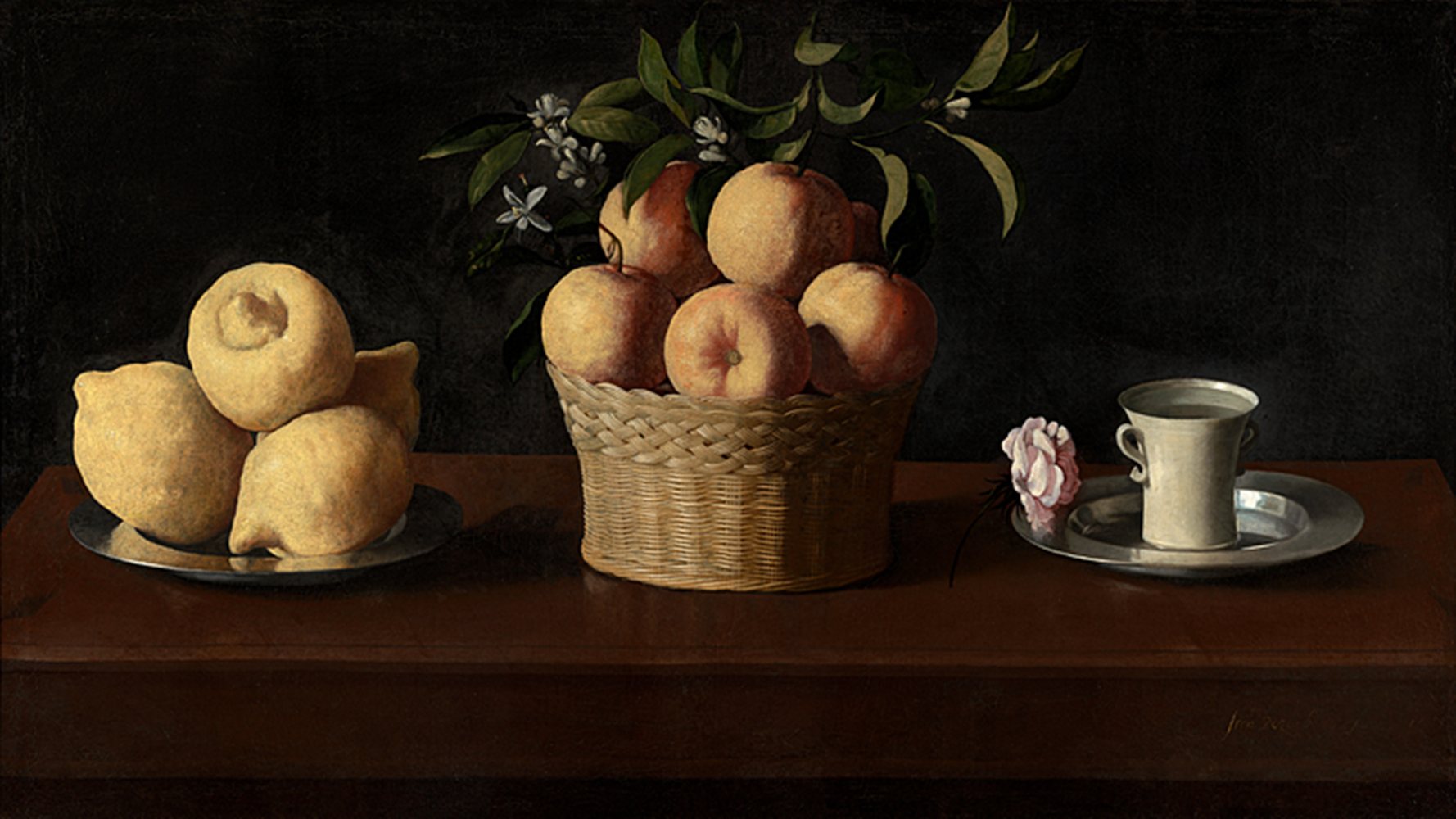
The still lifes offer a different kind of revelation. Francisco de Zurbarán’s Still Life with Lemons, Oranges and a Rose, from the Norton Simon Foundation, is dated 1633 and is the only signed and dated still life by the artist. Its recent cleaning revealed again the sharp edge of the table and the rough skin of the citrus fruit. Seen in the context of the exhibition, it helps explain why Zurbarán’s realism is never merely descriptive. The objects are spaced with almost liturgical calm: fruit, cup, rose and metal plate become a small theatre of attention.
Juan de Zurbarán, Francisco’s son, is represented by still lifes that deserve careful looking. The National Gallery’s Still Life with Lemons in a Wicker Basket, painted around 1643–49, is one of only about a dozen surviving paintings by Juan. Lemons spill from a basket with their waxy leaves still attached; flowers are scattered among them; a goldfinch perches on a porcelain bowl of water. The National Gallery notes the symbolic charge of these objects: water and lily refer to the purity of the Virgin Mary, while the goldfinch is associated with Christ’s Passion. The painting is delicate, but not fragile; it has the intensity of a world briefly gathered on a ledge.
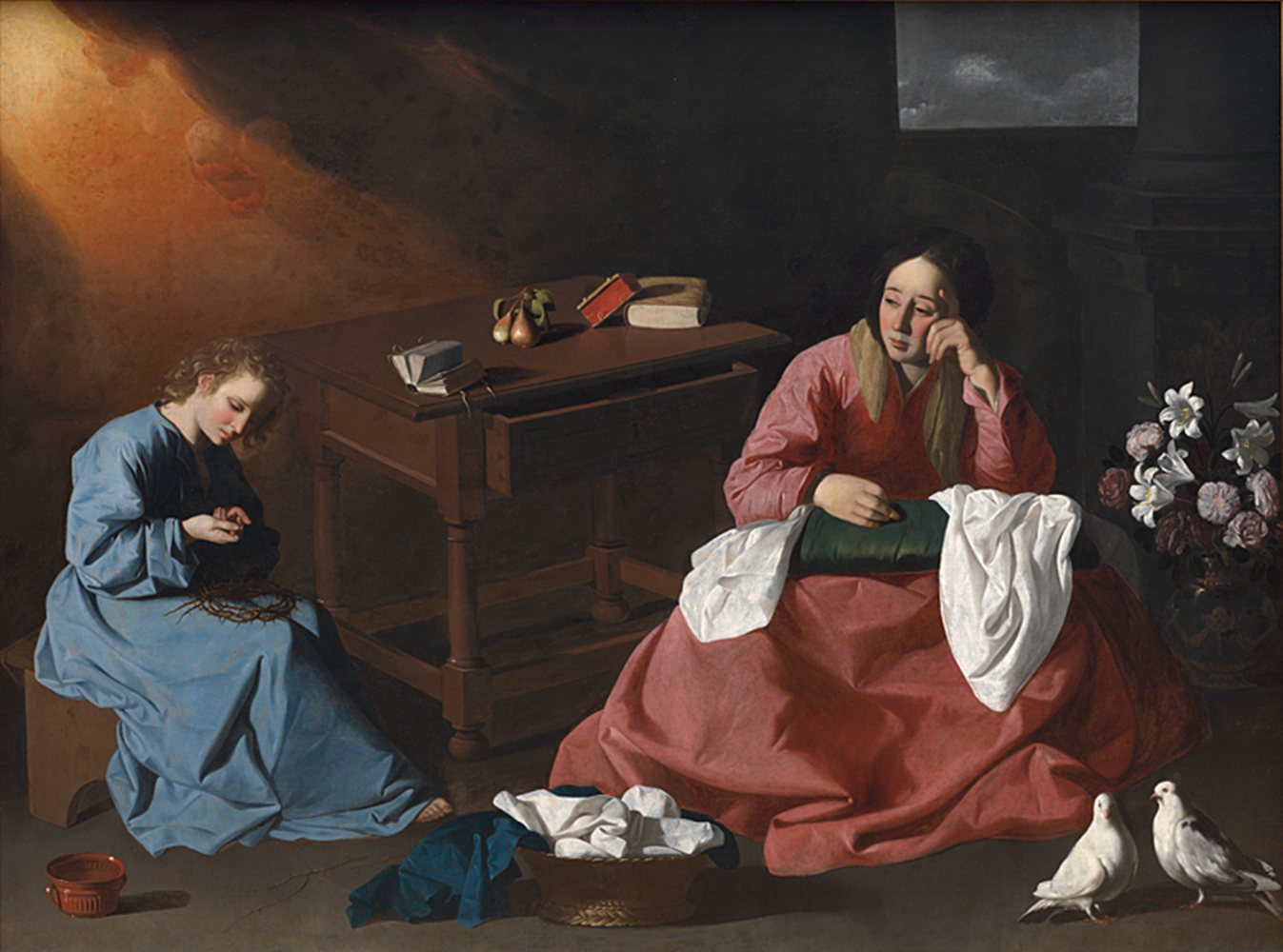
Visitors should also look for Christ and the Virgin in the House at Nazareth, from the Cleveland Museum of Art. Zurbarán appears to have invented this intimate subject: the young Christ pricks himself on a crown of thorns he is weaving, while the Virgin looks on with tears. It is not a biblical episode in the usual sense, but a devotional image of foreknowledge. The domestic space becomes a prophecy. This is Zurbarán at his most unsettling: childhood, craft, tenderness and future suffering held in the same quiet room.
Planning Your Visit: Dates, Tickets & Tips
Zurbarán runs at the National Gallery from 2 May to 23 August 2026, in the Sainsbury Wing. Because this is a ticketed exhibition and the first major UK show devoted to the artist, advance booking is strongly recommended, especially for weekends, Friday evenings and the opening weeks. Standard admission starts at £20 on off-peak Sunday to Thursday dates and rises to £22 on Fridays and Saturdays, with under 18s admitted free.
Allow at least 75 to 90 minutes for the exhibition if you want to move beyond the headline works. Zurbarán’s paintings reward slow looking: the space between objects in a still life, the edge of a sleeve, the tension in a saint’s hand, the way a black background seems to absorb sound. This is not a show to rush between rooms. It is best experienced when the Gallery is less crowded, ideally early in the day or during a Friday late if you prefer a more atmospheric visit.
International visitors should note that the National Gallery sits directly on Trafalgar Square, within easy walking distance of the National Portrait Gallery, Covent Garden, St Martin-in-the-Fields and the West End. Exhibition tickets include free general admission to the main collection, so it is worth pairing Zurbarán with Spanish paintings by Velázquez or with other Baroque works in the permanent galleries. Travel light: the National Gallery states that bags larger than 21 x 30 cm cannot be taken into the exhibition.
Explore the National Gallery with an Expert Guide
Make the most of your visit to Trafalgar Square with a private guided tour of the National Gallery — from the Van Eycks to the Impressionists, at a pace that suits you.
Discover the National Gallery Private TourWhy Visit Zurbarán?
Zurbarán is worth visiting because it offers something different from the usual London Old Master blockbuster. It is not built around spectacle in the modern sense, nor around a familiar sequence of famous names. Its power lies in concentration: a lamb on a ledge, a saint in embroidered clothing, a child with a crown of thorns, a basket of lemons that seems to hold the light of Seville inside its leaves.
For specialists, the exhibition offers the most comprehensive encounter with Zurbarán ever staged in Britain, including major loans and works from different phases of his career. For non-specialists, it provides a direct and surprisingly accessible introduction to Spanish Baroque painting. You do not need to know the theology of the Counter-Reformation to feel the force of these images. Zurbarán’s paintings work because they turn belief into things the eye can understand: cloth, fruit, skin, shadow, silence.
The exhibition also helps correct a common imbalance. Velázquez has long dominated the international story of seventeenth-century Spanish painting, while Zurbarán has often been placed in a narrower religious category. This show argues for a broader view. It presents him as a painter of vision, but also of texture, structure, still life, private emotion and visual invention.
Practical Information
- Dates: 2 May – 23 August 2026
- Opening Hours: Daily 10am–6pm; Friday until 9pm
- Location: National Gallery, Sainsbury Wing, Trafalgar Square, London WC2N 5DN
- Tickets: Standard admission £20 off-peak Sunday–Thursday; £22 Friday and Saturday; under 18s go free. Concession rate available for eligible visitors.
- How to Get There: Nearest Tube stations include Charing Cross, Leicester Square, Piccadilly Circus and Embankment; Charing Cross railway station is also close by.
Conclusion
Zurbarán at the National Gallery is a rare chance to encounter one of Spain’s great Baroque painters through the full range of his art: monumental religious visions, intimate devotional works and still lifes of extraordinary concentration. The exhibition is best approached slowly, with time to notice how Zurbarán turns ordinary surfaces into something charged with meaning. For visitors planning a cultural stay in London, it is one of the essential museum exhibitions of 2026. Continue exploring the Gallery’s collection with our National Gallery tours and London museum guides.
Author: The London Museum Tours Team
This article was curated by the London Museum Tours team. With years of experience guiding visitors through London's permanent collections and temporary exhibitions, our goal is to help you plan the perfect visit.
Zurbarán – FAQ
-
Do I need to book Zurbarán tickets in advance?
Advance booking is recommended, especially for weekends, Friday evenings and the first weeks of the exhibition. This is a ticketed National Gallery exhibition and popular time slots may sell out.
-
How much are tickets for the Zurbarán exhibition?
Standard admission is £20 on off-peak Sunday to Thursday dates and £22 on Fridays and Saturdays. Under 18s go free, and concession rates are available for eligible visitors.
-
How long should I allow for the Zurbarán exhibition?
Allow around 75 to 90 minutes if you want to see the exhibition properly. Zurbarán’s paintings are visually quiet but emotionally dense, and the still lifes in particular reward slow looking.
-
Is photography allowed inside the exhibition?
The National Gallery allows personal, non-commercial photography in exhibitions unless signs beside individual works say otherwise. Flash, tripods, selfie sticks, gimbals and additional lighting are not permitted.
-
Is the Zurbarán exhibition suitable for children?
Older children and teenagers with an interest in art, history or dramatic storytelling may find the exhibition rewarding. Some religious images, including crucifixion subjects and martyr saints, may feel intense for very young visitors.
-
Does my exhibition ticket include the National Gallery collection?
Yes. National Gallery exhibition tickets include free general admission to the permanent collection, so you can combine Zurbarán with other Spanish, Italian, Dutch and French paintings on the same visit.
-
Which Tube station is best for the National Gallery?
Charing Cross is usually the most convenient station for the National Gallery, with Leicester Square, Piccadilly Circus and Embankment also within walking distance.
-
Is the National Gallery accessible for disabled visitors?
The National Gallery provides access information for disabled visitors and offers a free companion ticket with each access exhibition ticket. Visitors with specific requirements should check the Gallery’s access information before booking.