Marilyn Monroe: A Portrait – Centenary Exhibition 2026
What is the Marilyn Monroe: A Portrait exhibition?
Marilyn Monroe: A Portrait is a major National Portrait Gallery exhibition in London marking Monroe’s centenary in 2026. Through photography, painting, film-related imagery and personal belongings, it explores how Marilyn helped shape her own image — from Norma Jeane’s early modelling years to her enduring status as a twentieth-century icon.
Exhibition at a Glance
- What: Marilyn Monroe: A Portrait
- Where: National Portrait Gallery, London
- When: 4 June – 6 September 2026
- Why Go: Marilyn beyond the Hollywood image
- Tickets: £25–27. Book online in advance.
About the Exhibition: Marilyn Monroe: A Portrait
Marilyn Monroe: A Portrait arrives at the National Portrait Gallery in the year that marks the 100th anniversary of Monroe’s birth. It is not simply an exhibition about celebrity photography. Its sharper subject is image-making: how a woman born Norma Jeane became Marilyn Monroe, how photographers and artists transformed her into a modern icon, and how Monroe herself understood the power of the camera.
Presented in association with the Marilyn Monroe Estate, the exhibition brings together portraits by some of the most influential photographers and artists of the twentieth and twenty-first centuries. The range is deliberately broad: early pin-up photographs, studio portraits, intimate late images, Pop Art works and personal belongings such as scripts and clothes. The result is a layered portrait of Monroe as performer, collaborator, subject and cultural force.
The National Portrait Gallery is a particularly apt setting for this story. Its collection is built around the idea that portraits do more than record faces: they shape public memory. In this case, the face is among the most recognisable in modern history, but the exhibition asks a more interesting question: who was directing the image, and what happens when an image becomes larger than the person who first created it?
For official dates, ticket availability and related events, see the National Portrait Gallery’s page for Marilyn Monroe: A Portrait. You can also browse our wider guide to Exhibitions in London for more temporary exhibitions across the city.
Artists and Must-See Works
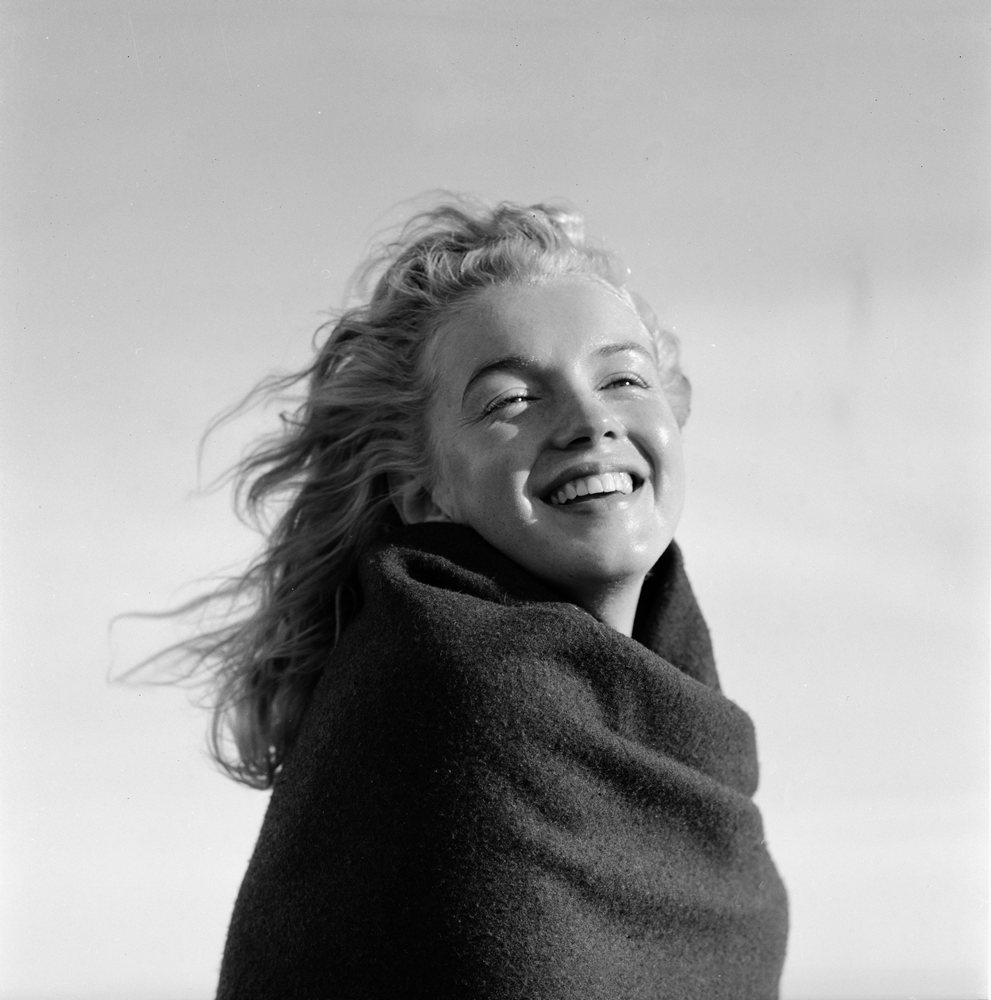
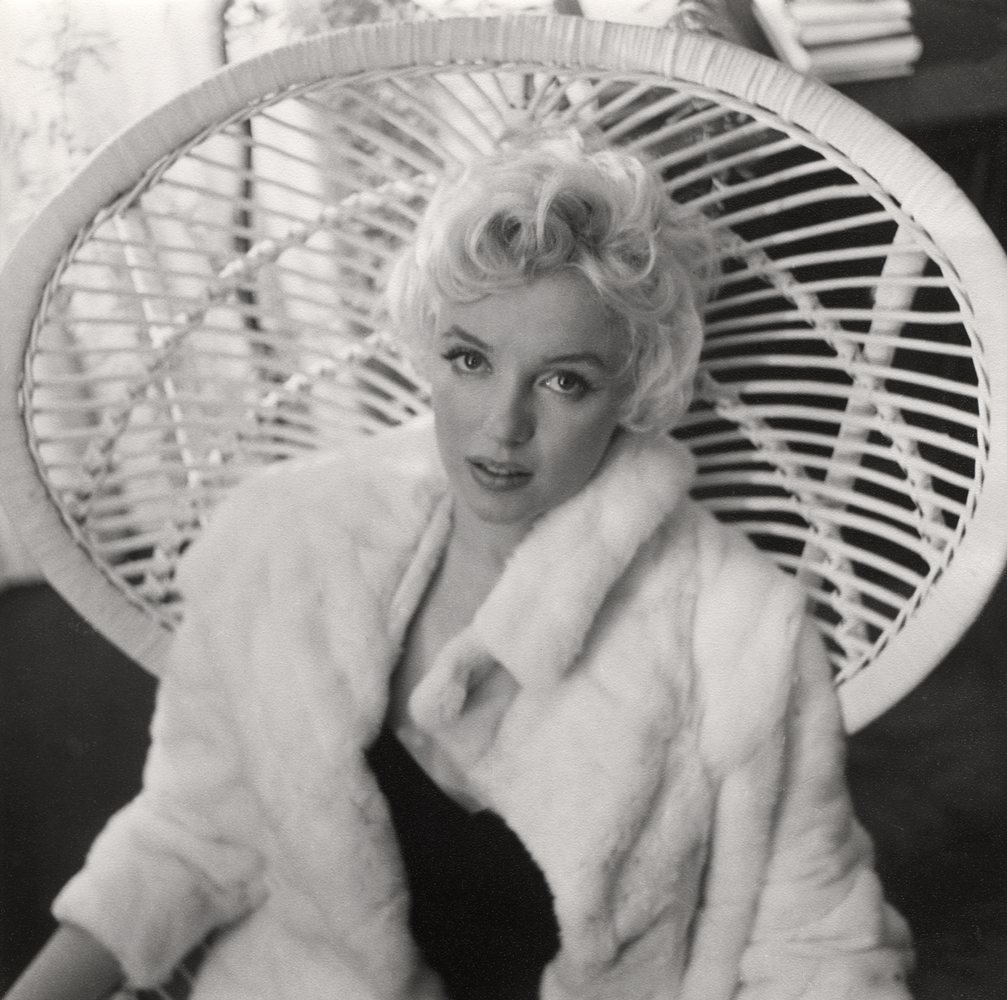
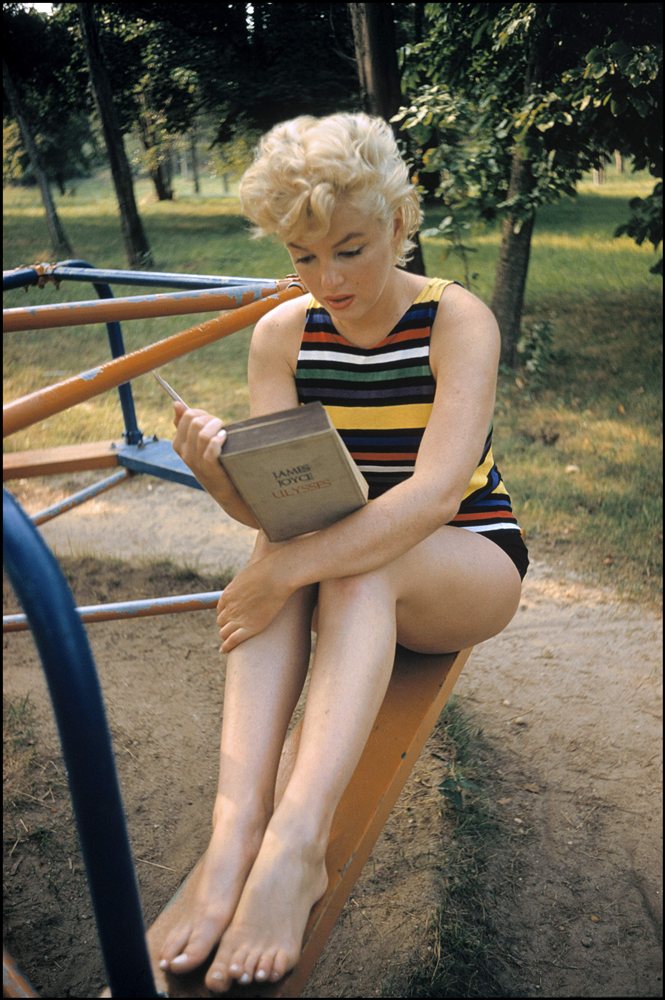
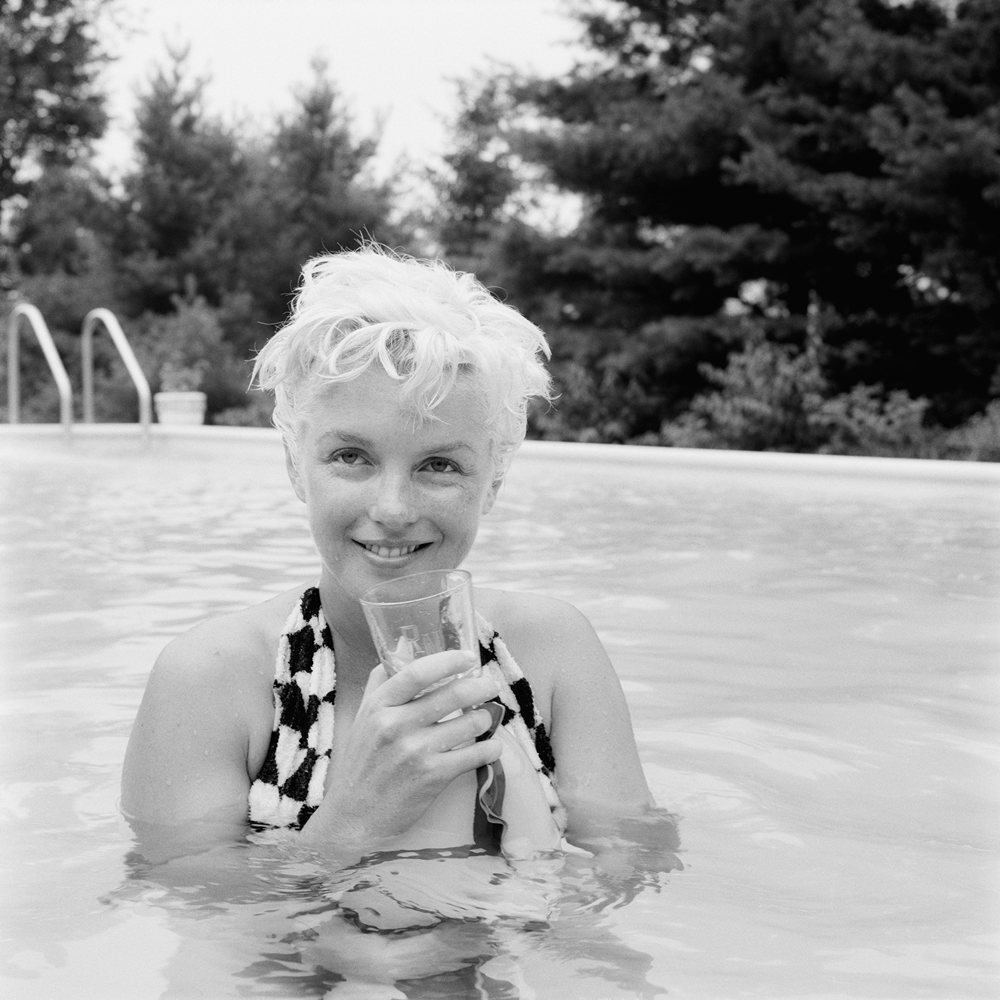
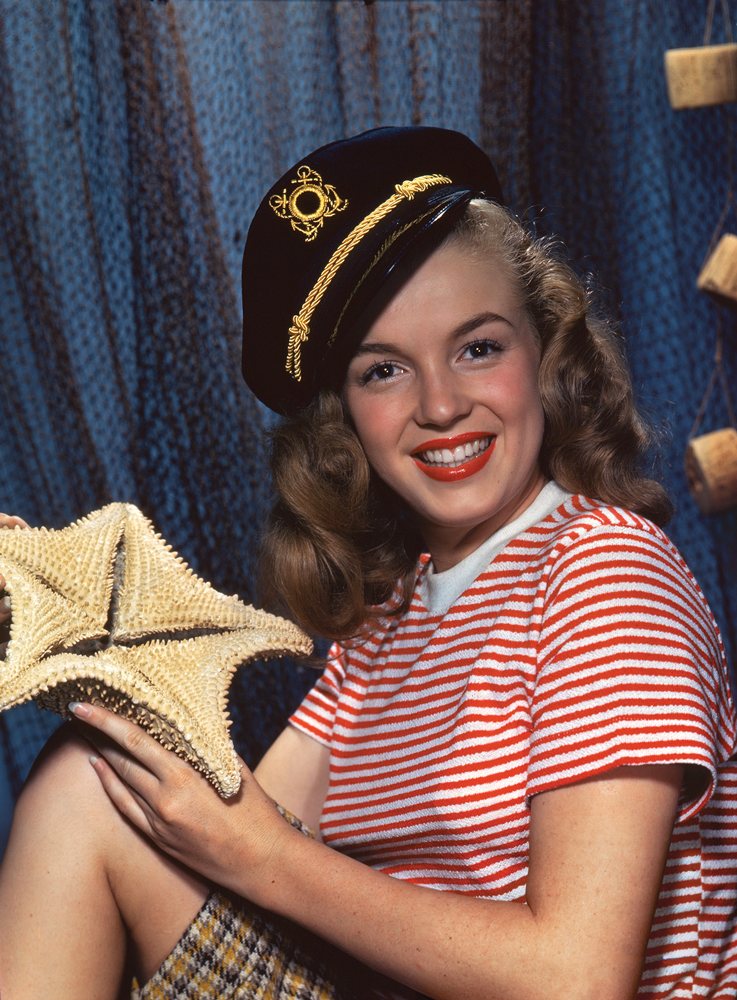
The most revealing way to approach this exhibition is chronologically, but not mechanically. Begin with the early photographs of Norma Jeane: the young model before the public image hardened into myth. Works by André de Dienes and Bruno Bernard show a figure still in formation. Look closely at the difference between pose and personality: the smile, the turned shoulder, the sailor-style costume in Bernard’s 1946 image, all belong to the language of publicity, but they also reveal a performer learning how to read the lens.
Cecil Beaton offers a very different Marilyn. His 1956 portrait, represented in the National Portrait Gallery collection, is a small gelatin silver print made on 22 February 1956. The scale matters: this is not a billboard Marilyn, but an image to be met at close range. Beaton had secured the sitting after months of negotiation and later described her visit as high-spirited and disarmingly fresh. In the photograph, glamour is still present, but it is filtered through Beaton’s theatrical eye — soft, composed, almost suspended.
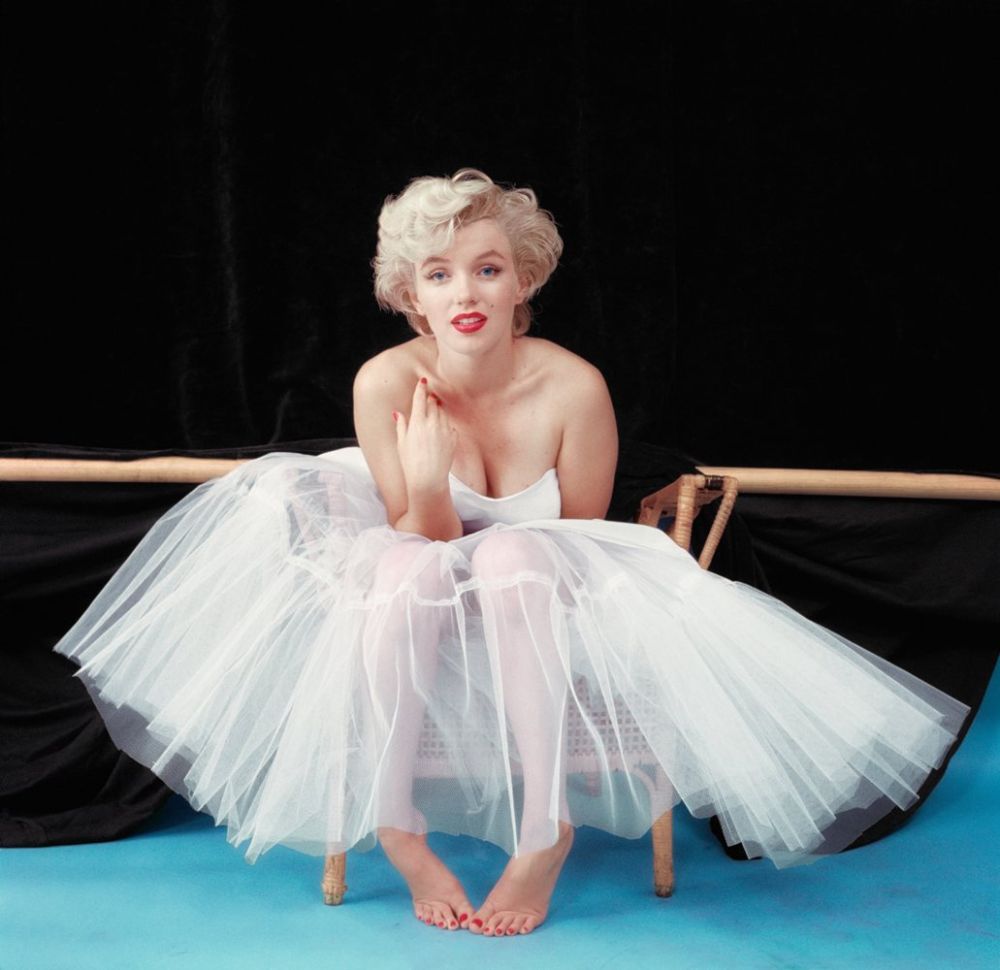
Milton H. Greene takes the story into the territory of trust. His Marilyn Monroe, Ballerina Sitting of 1954 has become one of the defining images of Monroe: white tulle, pale skin, a chair, and an apparently effortless balance between innocence and knowing performance. The dress does not sit like couture armour; it looks almost too fragile, almost improvised. That is part of the image’s force. Greene was not merely photographing a studio star. He became one of Monroe’s closest creative collaborators, and their work together helped her move towards greater control over her public and professional life.
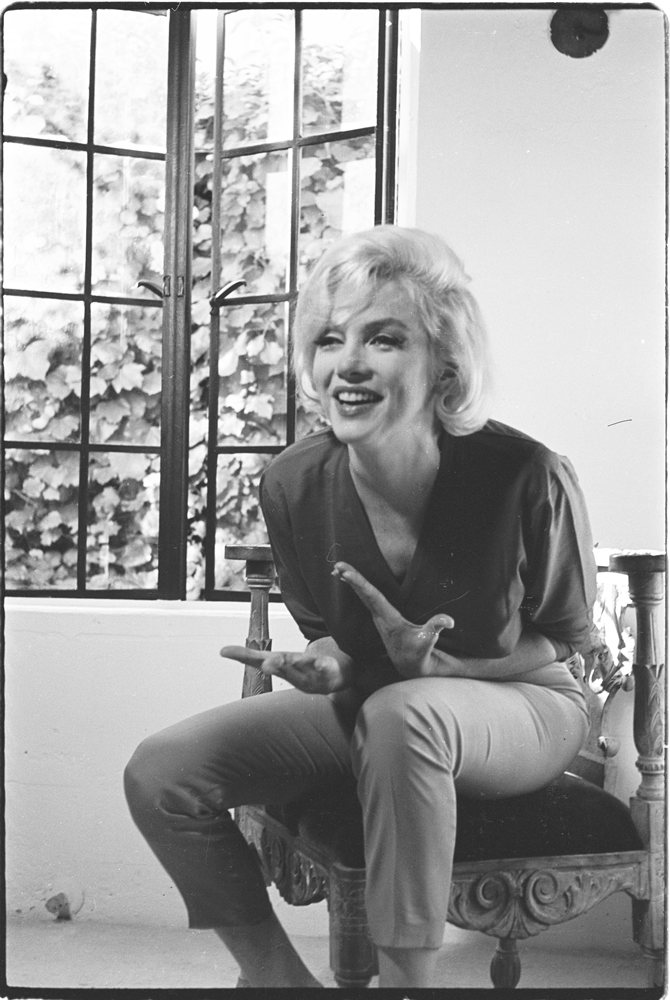
The exhibition’s late photographs by Allan Grant are likely to be among its most quietly affecting moments. Taken at Monroe’s Brentwood residence in 1962 for her final interview with Life magazine, the session produced hundreds of images, of which only a small number were originally published. These pictures do not need theatrical staging. Monroe reading, pausing, listening, changing expression: the drama is in the nearness. After so many images designed for distance — posters, publicity stills, Pop Art repetitions — these photographs return the viewer to a room, a transcript, and a face thinking in real time.
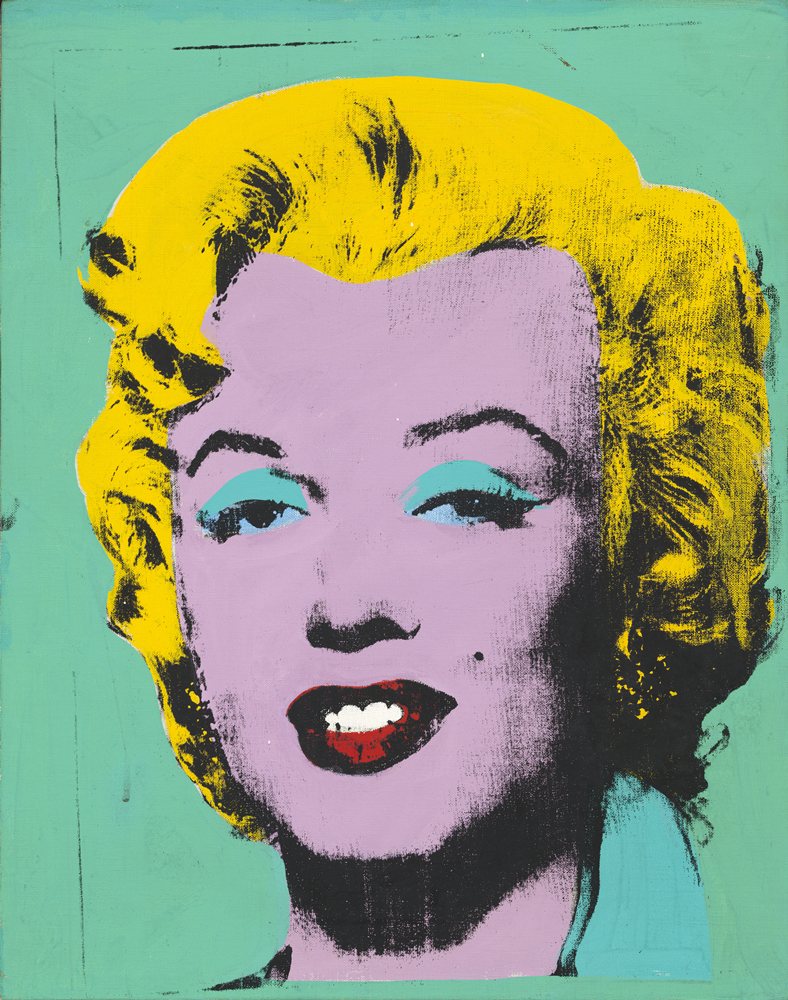
With Andy Warhol, Monroe becomes something else again: an image repeated, coloured, flattened and made eternal. Green Marilyn, 1962, belongs to the moment immediately after Monroe’s death, when Warhol began using a publicity still from the 1953 film Niagara as the basis for his Marilyn works. The turquoise-green field, yellow hair, sharp lips and mask-like face are not simply decorative. They show how mass media can preserve a person by turning her into a surface — brilliant, memorable and almost unreachable.
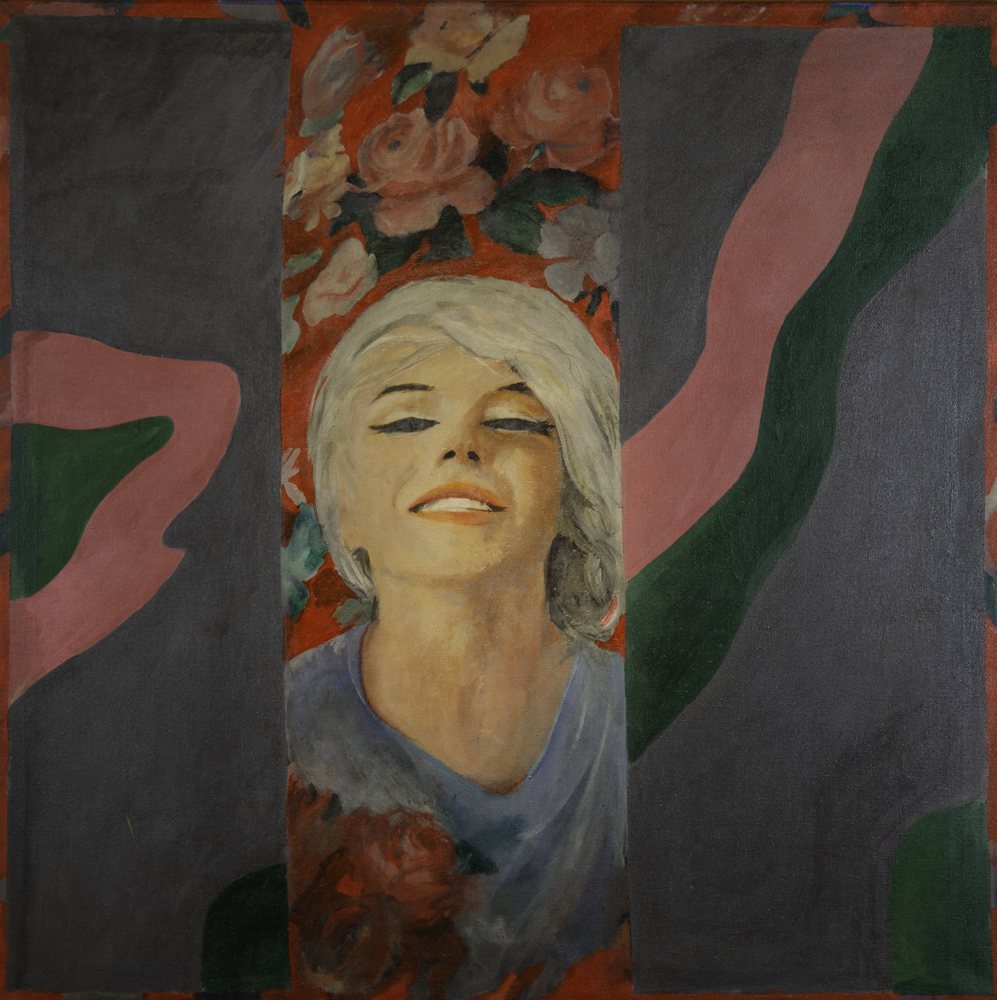
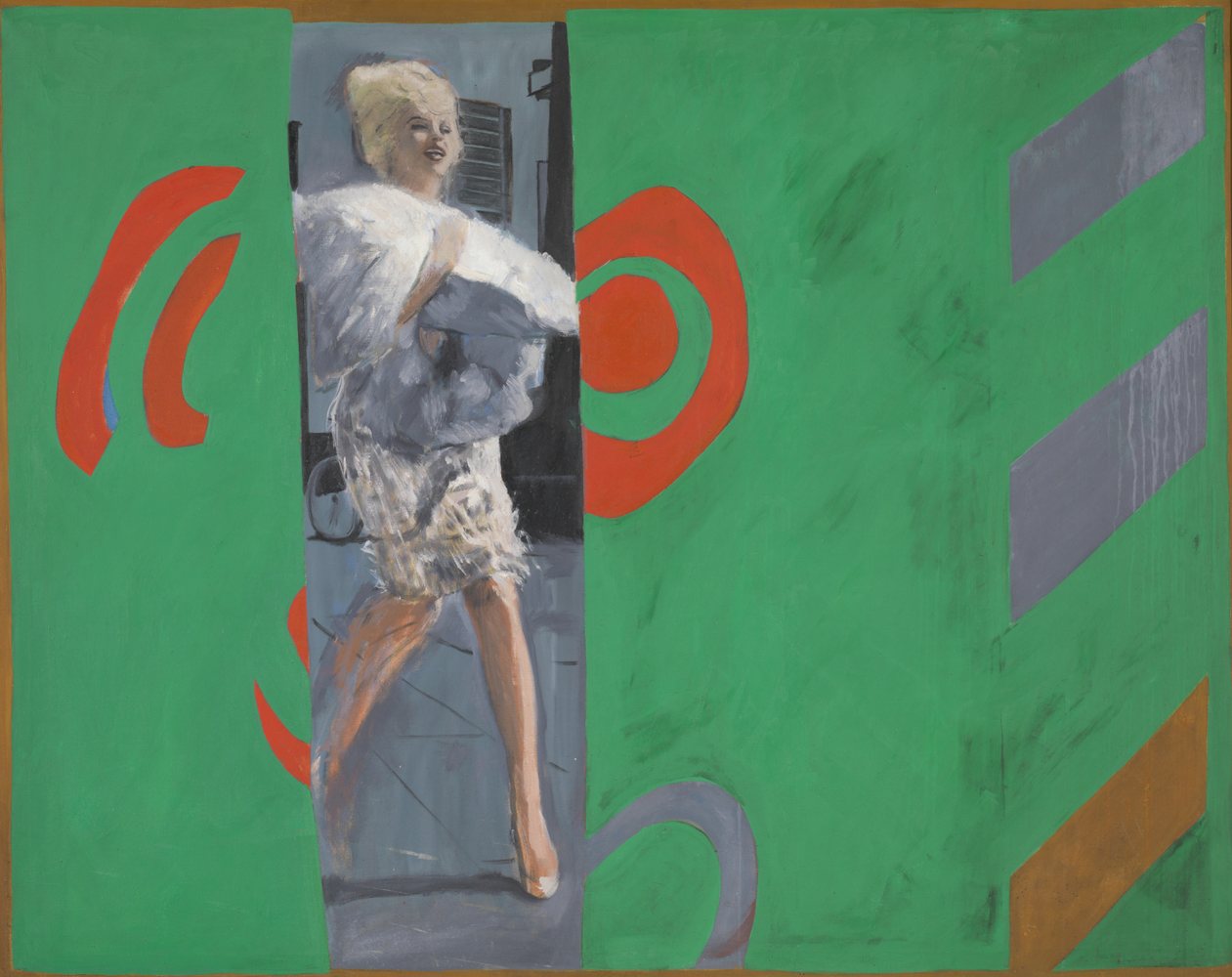
Pauline Boty gives the exhibition one of its most important counterpoints. In Colour Her Gone, 1962, Monroe is not presented as a male fantasy in the same way as many contemporary Pop images. She appears in a relaxed pose and casual clothing, surrounded by colour that feels both celebratory and elegiac. Boty, a key figure in British Pop Art, was deeply interested in how women were seen, desired and dismissed. Her Marilyn is not only an icon of glamour; she is also a woman being looked at by another woman who understood the cost of visibility.
The exhibition also includes The Only Blonde in the World, Boty’s 1963 painting, and works by artists including James Gill, Rosalyn Drexler, Audrey Flack and Marlene Dumas. Their presence matters because it prevents the show from becoming a nostalgic Hollywood display. Monroe’s image is shown as an active artistic material — reworked across decades, cultures and media, still capable of generating new meanings long after the studio system that made her famous has disappeared.
Planning Your Visit: Dates, Tickets & Tips
The exhibition runs from 4 June to 6 September 2026 on Floor 0 of the National Portrait Gallery. Adult tickets are priced from £25, with higher peak pricing on Fridays, Saturdays and Sundays. Tickets are subject to availability, and advance online booking is recommended, especially for weekends and the opening and closing weeks.
Allow around 60 to 90 minutes for the exhibition itself. Visitors who already know Monroe’s films may want longer, because the exhibition rewards slow looking: the shift from Norma Jeane to Marilyn, the difference between Beaton and Greene, the emotional charge of the Allan Grant photographs, and the move from photographic portrait to Pop Art icon all need time. If you are visiting from overseas and planning several London museums in one day, avoid treating this as a quick add-on between larger galleries.
The National Portrait Gallery is close to Trafalgar Square, the National Gallery, Leicester Square and Covent Garden, making it easy to combine with a wider cultural itinerary. The Gallery notes that backpacks and large bags are not permitted in temporary exhibitions and must be checked into the cloakroom if they exceed the stated size limit. Private tours are not allowed inside the exhibition spaces, so a private guided experience should be planned around the permanent collections or nearby museums rather than inside this temporary exhibition itself.
For ticket availability, use the official Book tickets page.
Plan a Private Museum Visit in London
Visiting London for its museums? London Museum Tours offers private, timed-entry guided experiences at major collections including the British Museum, National Gallery, Natural History Museum and Tate Modern — ideal for visitors who want context, structure and a more personal pace.
Discover Private London Museum ToursWhy Visit Marilyn Monroe: A Portrait?
The reason to visit Marilyn Monroe: A Portrait is not simply that Monroe is famous. It is that almost everyone already has an image of her in mind before entering the room. The exhibition’s value lies in slowing that image down and showing how it was made: by photographers, by artists, by Hollywood, by the press — and by Monroe herself.
For visitors interested in photography, the show offers a compact history of twentieth-century portraiture, from studio glamour to intimate documentary work. For visitors interested in art, it places Monroe at the centre of Pop’s fascination with repetition, fame and the manufactured image. For those who are not specialists at all, it provides a clear and accessible way to think about celebrity culture before social media: the creation of a public self through lenses, captions, publicity and control.
This is also a more serious exhibition than the subject might first suggest. It does not ask you to forget the glamour, but it does ask you to look past it. The strongest works are likely to be those where Monroe’s image feels least settled: not the finished icon, but the person negotiating how much of herself to offer to the camera.
Practical Information
- Dates: 4 June – 6 September 2026
- Opening Hours: Daily 10.30–18.00; Friday and Saturday 10.30–21.00. Last entry to exhibitions is 1 hour before closing.
- Location: National Portrait Gallery, St Martin’s Place, London, WC2H 0HE
- Tickets: Adults £25 off-peak Monday–Thursday / £27 peak Friday–Sunday; £27.50–£30 with donation. Free for Members. £5 tickets available for 25 and under via CLUB NPG. Pay What You Can tickets are available for selected Monday entry times. Groups of 10+ receive a 10% discount when booked through the Gallery.
- How to Get There: Nearest stations include Leicester Square, Charing Cross Underground, Charing Cross rail station and Embankment. The main entrance is on Ross Place; the group entrance is on St Martin’s Place.
Final Thoughts
Marilyn Monroe: A Portrait is at its best when it treats fame as something constructed, negotiated and sometimes resisted. The exhibition brings together beauty, performance, vulnerability and control without reducing Monroe to any single one of them. It is a strong choice for visitors interested in photography, Pop Art, film history or the mechanics of modern celebrity. For more ideas on planning cultural visits in London, explore our museum tours and exhibition guides across the site.
Author: The London Museum Tours Team
This article was curated by the London Museum Tours team. With years of experience guiding visitors through London's permanent collections and temporary exhibitions, our goal is to help you plan the perfect visit.
Marilyn Monroe: A Portrait – FAQ
-
Do I need to book Marilyn Monroe: A Portrait in advance?
Advance booking is recommended because tickets are subject to availability. Weekends, the opening weeks and the final weeks are likely to be busier.
-
How much are tickets for Marilyn Monroe: A Portrait?
Adult tickets start from £25 off-peak Monday to Thursday and £27 peak Friday to Sunday. Donation ticket options, Membership benefits, £5 tickets for 25 and under via CLUB NPG, and selected Pay What You Can Monday tickets are also available.
-
How long should I spend at the exhibition?
Most visitors should allow around 60 to 90 minutes. If you want to read the interpretation carefully and spend time with the photographic sequences, allow closer to 90 minutes.
-
Is the exhibition suitable for children?
The exhibition can be suitable for older children and teenagers interested in film, photography or visual culture. The Gallery notes that some artworks include nudity and adult themes, so parents may wish to use discretion.
-
Can I take photographs inside the exhibition?
The National Portrait Gallery permits non-flash photography for personal, non-commercial use in some areas, but photography is not allowed in some temporary exhibitions or displays with loans. Check the signage inside the Marilyn Monroe exhibition before taking photos.
-
Is the exhibition accessible for wheelchair users?
Yes. The exhibition is on Floor 0, the Gallery entrances have step-free access, and the exhibition displays are installed at accessible heights. Large-print guides and accessible events are also available.
-
Are private guided tours allowed inside Marilyn Monroe: A Portrait?
No. The National Portrait Gallery states that private tours are not allowed in the exhibition spaces. A private guide can still help you plan a wider museum itinerary before or after your visit.
-
What else can I visit nearby?
The National Portrait Gallery is beside Trafalgar Square and very close to the National Gallery, Leicester Square, Covent Garden and St Martin-in-the-Fields. It is easy to combine the exhibition with a wider central London cultural visit.