Julio Le Parc – Tate Modern Exhibition 2026
What is the Julio Le Parc exhibition?
The Julio Le Parc: Light. Colour. Action. exhibition at Tate Modern is a major survey of the Argentinian-born pioneer of kinetic and Op Art. It brings together interactive installations, light sculptures and geometric paintings that use colour, movement and optical effects to make visitors active participants in the work.
Exhibition at a Glance
- What: Julio Le Parc: Light. Colour. Action.
- Where: Tate Modern, London
- When: 11 June 2026 – 3 May 2027
- Why Go: Immersive kinetic art you help activate
- Tickets: From £15. Book online in advance.
About the Exhibition: Julio Le Parc: Light. Colour. Action.
Julio Le Parc: Light. Colour. Action. at Tate Modern celebrates one of the great figures of kinetic, optical and participatory art. Born in Argentina in 1928 and based in France from the late 1950s, Le Parc belonged to a generation of artists who wanted to change not only what art looked like, but how people behaved in front of it.
The exhibition arrives with an unexpected poignancy. Le Parc died in Paris on 30 May 2026, just days before the opening of a show organised in close collaboration with the artist and his Atelier. What might have been a living tribute has become something more reflective: a final encounter with a career that treated light, colour and movement not as decorative effects, but as ways of waking up the spectator.
Visitors expecting a conventional retrospective should be prepared for something more physical. The official Julio Le Parc: Light. Colour. Action. exhibition follows the artist’s work from the late 1950s to the 2010s, including geometric paintings, light boxes, kinetic sculptures, participatory games and immersive installations. It is also part of a wider season of Exhibitions in London that shows how major museums are increasingly revisiting twentieth-century art through the body of the visitor, not just the eye.
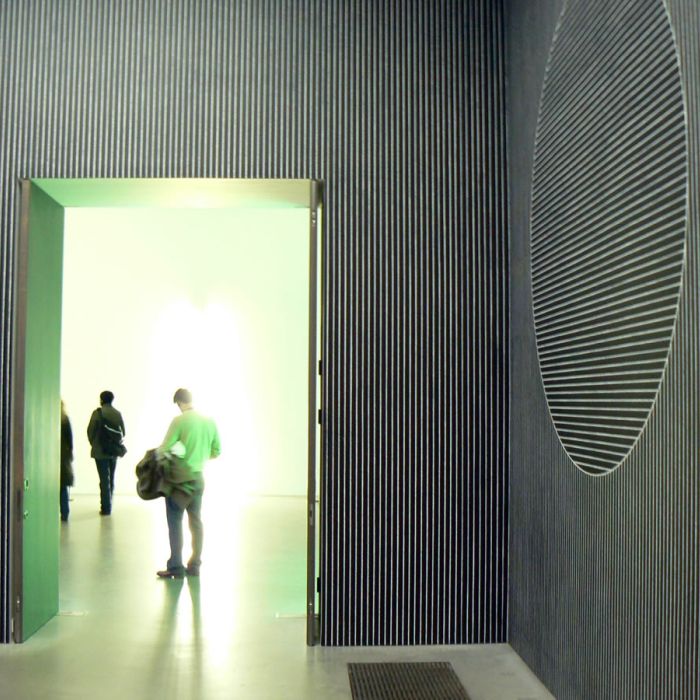
Le Parc’s importance lies in this shift. His art does not ask you simply to stand still and admire a finished object. It asks you to move, look again, press, rotate, compare and doubt your own perception. A reflection breaks into strips; a pattern seems to pulse although nothing has moved; a dark room becomes animated by projected light. The result is playful, but never superficial. Behind the pleasure is a serious question: how active are we when we look?
Artists and Must-See Works
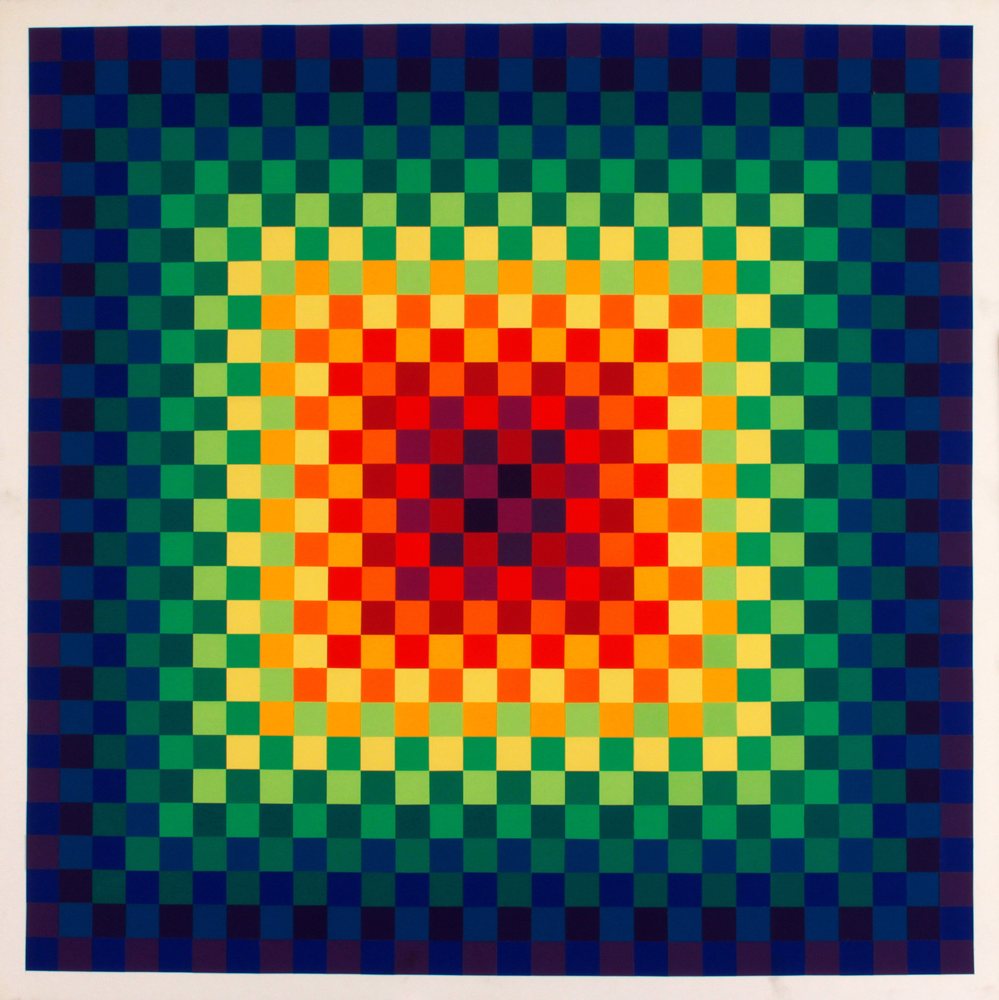
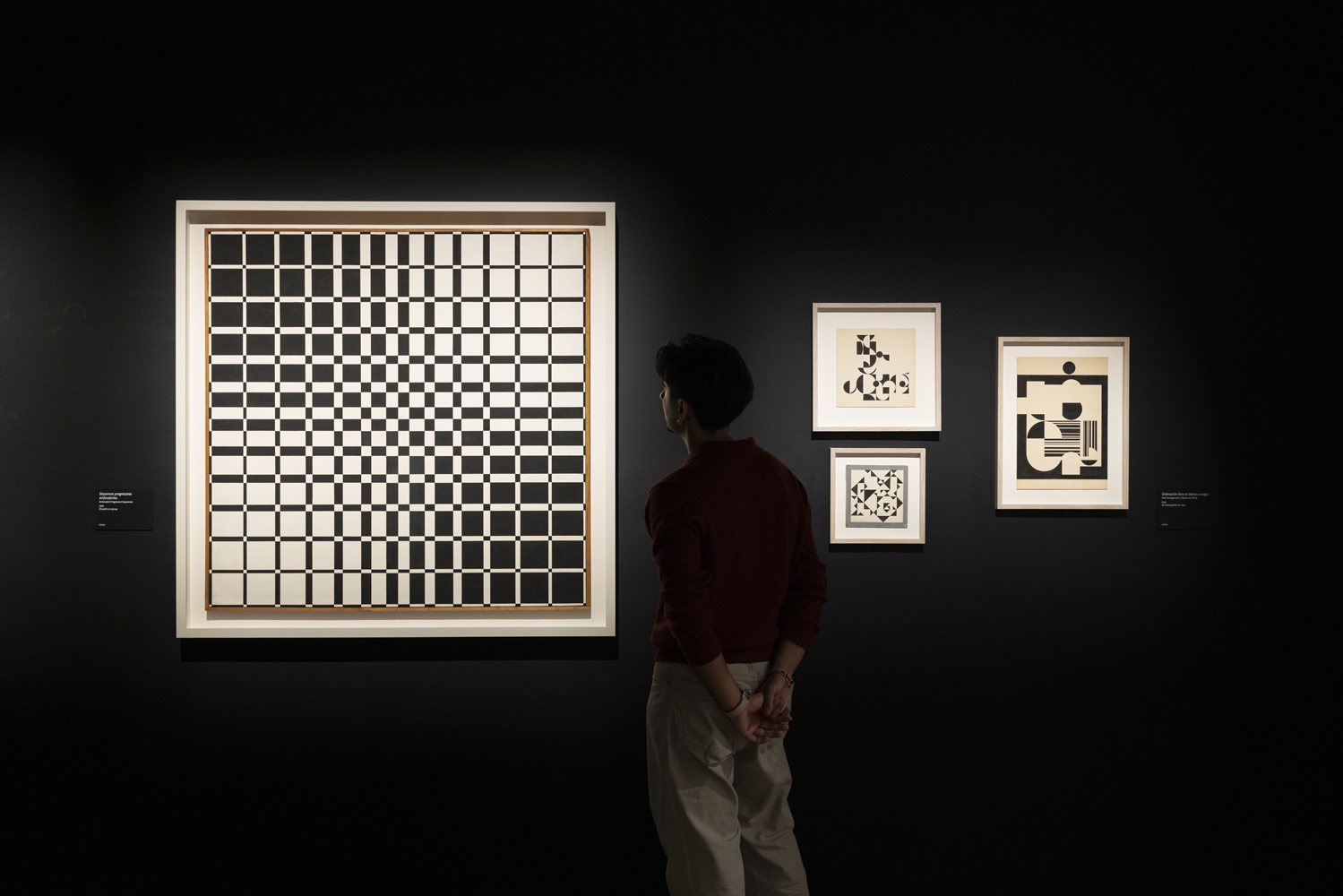
The exhibition begins with the foundations of Le Parc’s optical language. Early works such as Instability and Progressive Sequences, both from 1959, use repeated geometric forms and carefully controlled variations to create the sensation of movement on a static surface. Look closely and the canvas refuses to stay quiet. Lines appear to vibrate, shapes flicker, and the eye begins to notice its own limits.
This was not illusion for illusion’s sake. When Le Parc moved to Paris in 1958, he entered a city where artists, designers and theorists were rethinking the role of art in public life. In 1960 he became one of the founding members of GRAV, the Groupe de Recherche d’Art Visuel, a collective that wanted to reduce the distance between the artwork and the spectator. The viewer was no longer a passive observer, but a participant whose movement completed the work.
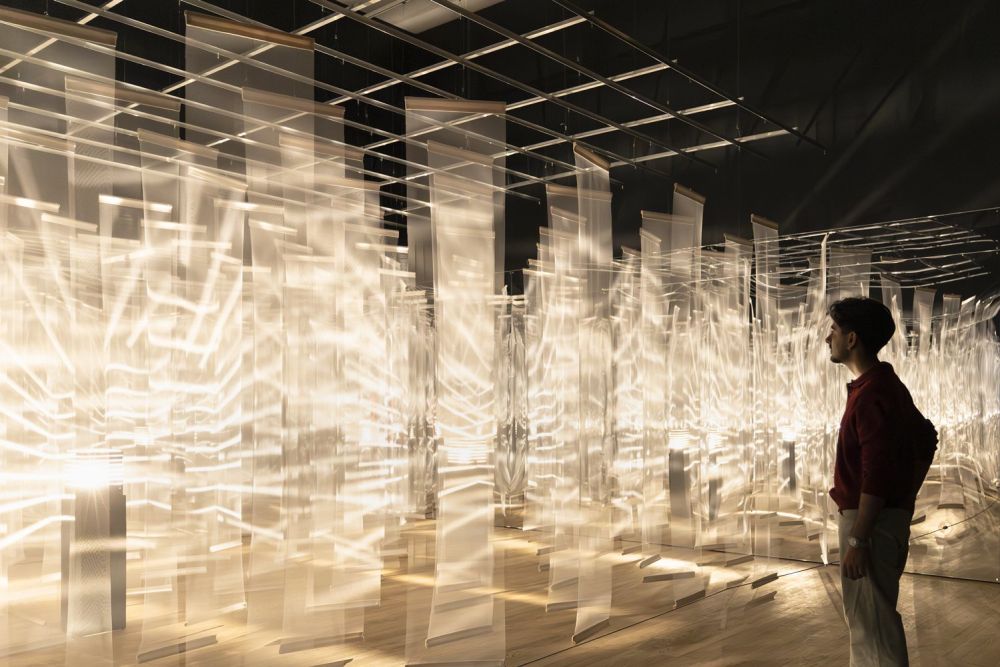
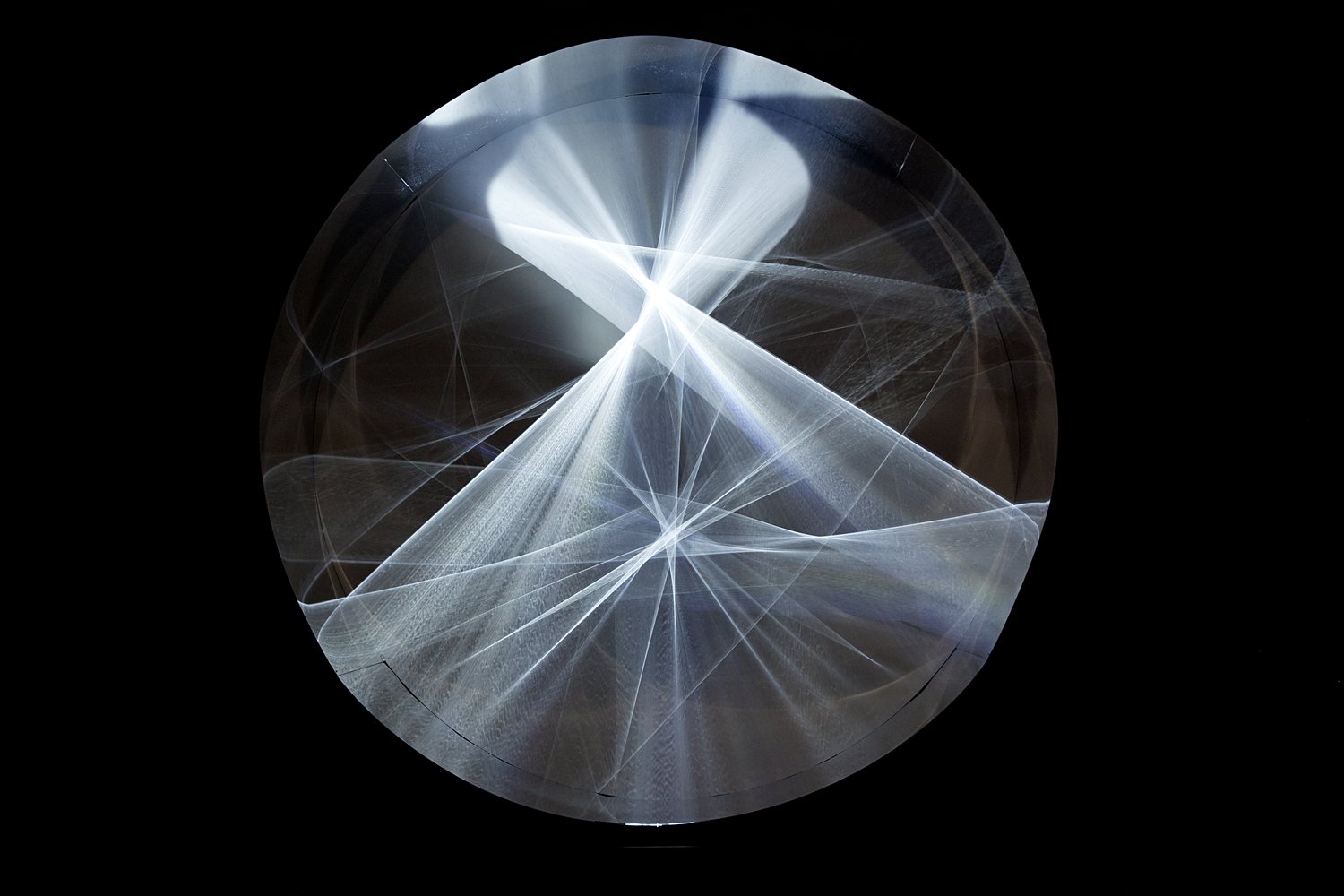
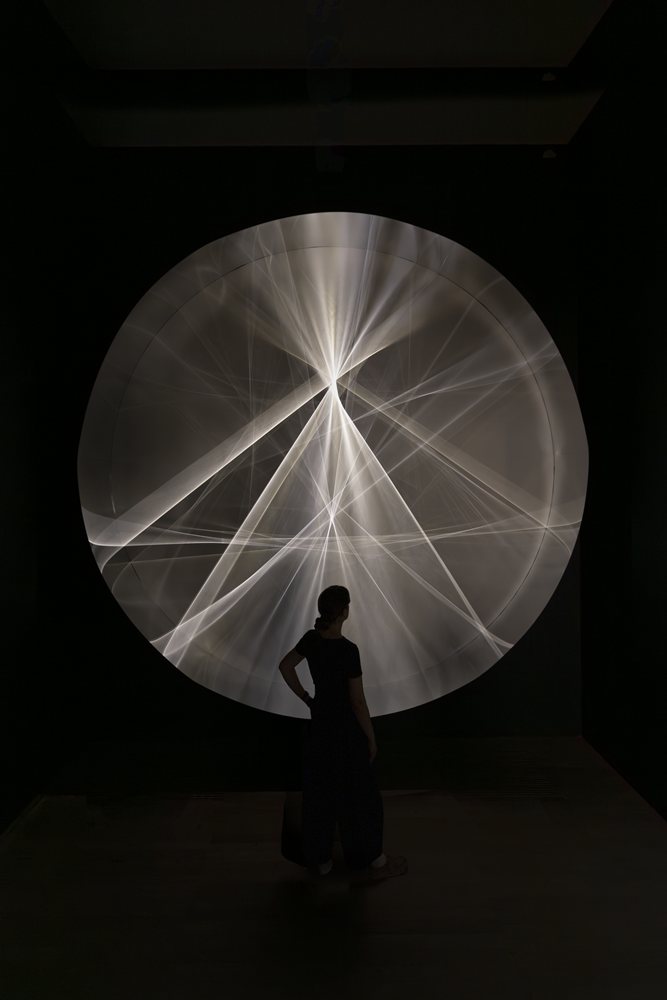
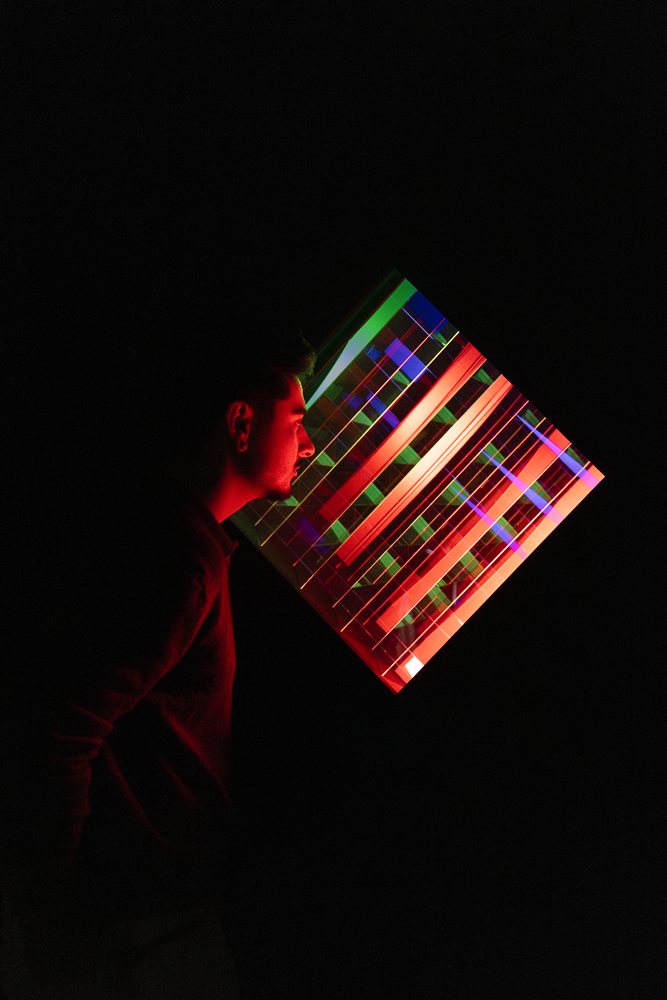
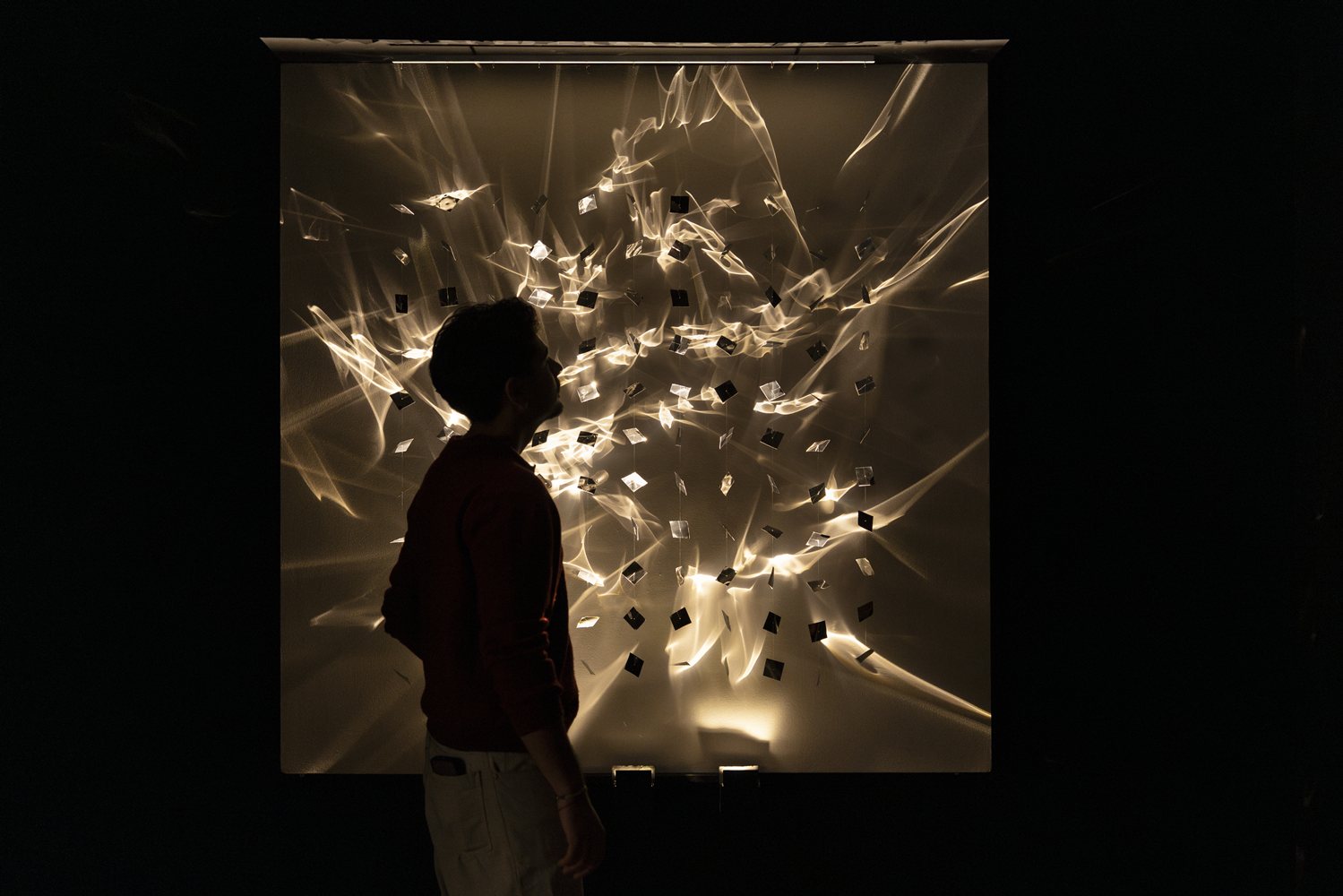
That idea becomes especially vivid in the light sculptures. Le Parc’s Continuel Lumière works developed from early experiments with light boxes into suspended structures of reflective and transparent elements. The materials are often deceptively simple: acrylic, metal, nylon, mirrors, bulbs, moving fragments. Yet the effect can be astonishing. A small movement in the air, or a shift in your position, releases a field of glints, shadows and trembling reflections across the room.
Works such as Continuel Lumière Mobile, Unique Continuel Light Cylinder and Vibrations (Light-Sculpture) show how Le Parc transformed light into something almost architectural. The visitor is not just looking at a sculpture; the sculpture is reorganising the surrounding space. Walls, floor and ceiling become part of the work. Reflections multiply, dissolve and return, producing the sensation of being inside a machine built from light rather than steel.
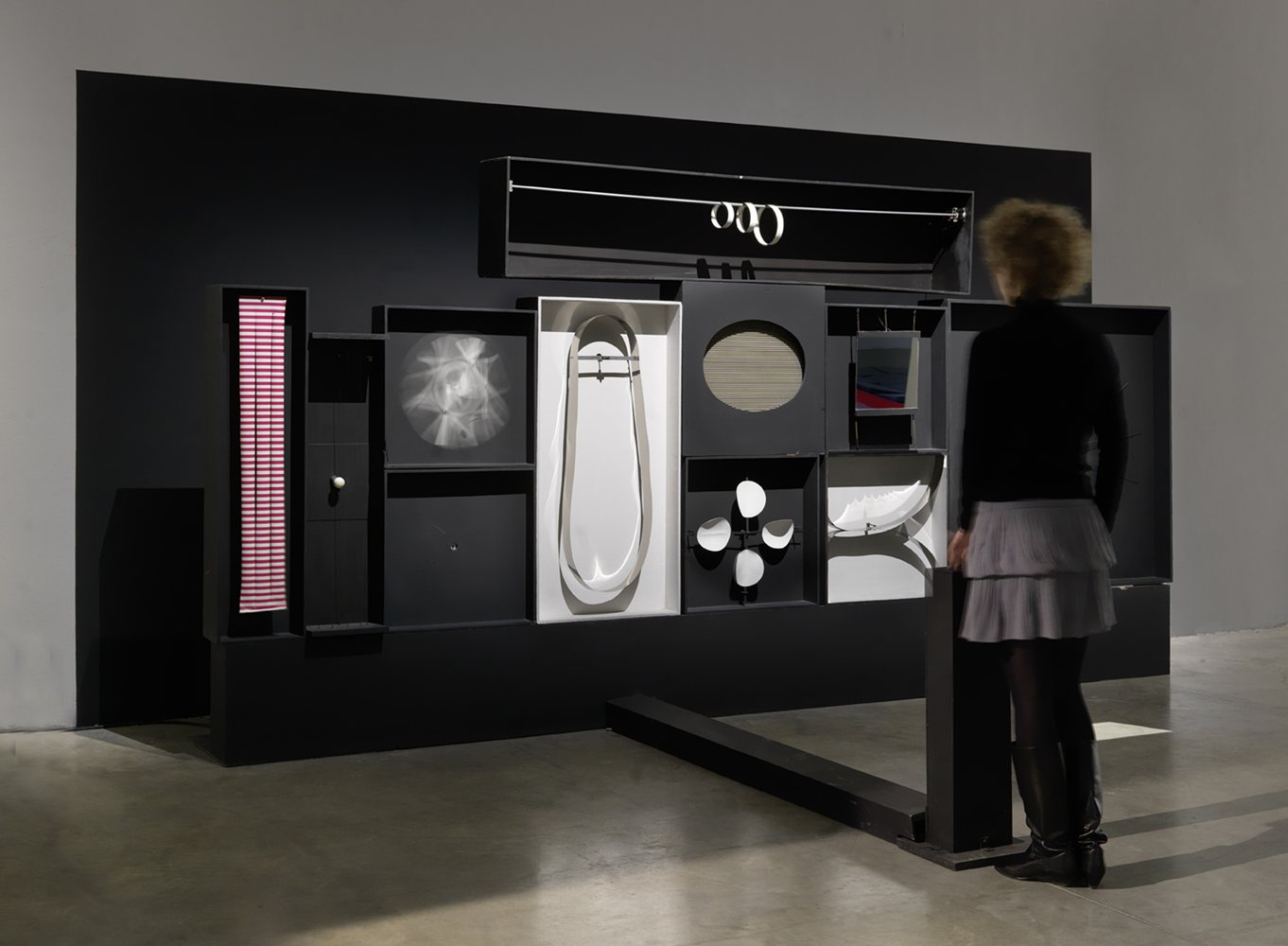
One of the most memorable aspects of the exhibition is the way Le Parc turns spectatorship into a physical action. In works related to the artist’s “game room” installations, the visitor may be invited to press buttons, rotate elements or activate devices that change the behaviour of the artwork. This is not a museum gimmick. It belongs to Le Parc’s long-standing belief that art could challenge habits of obedience, passivity and automatic looking.
Screen with Reflective Blades is a particularly sharp example of that thinking. A painted form is placed behind reflective strips, so every movement of the visitor interrupts and reassembles the image. The work does not have one stable view. You discover it by walking, pausing, shifting slightly to one side and noticing how your own body has entered the visual field.
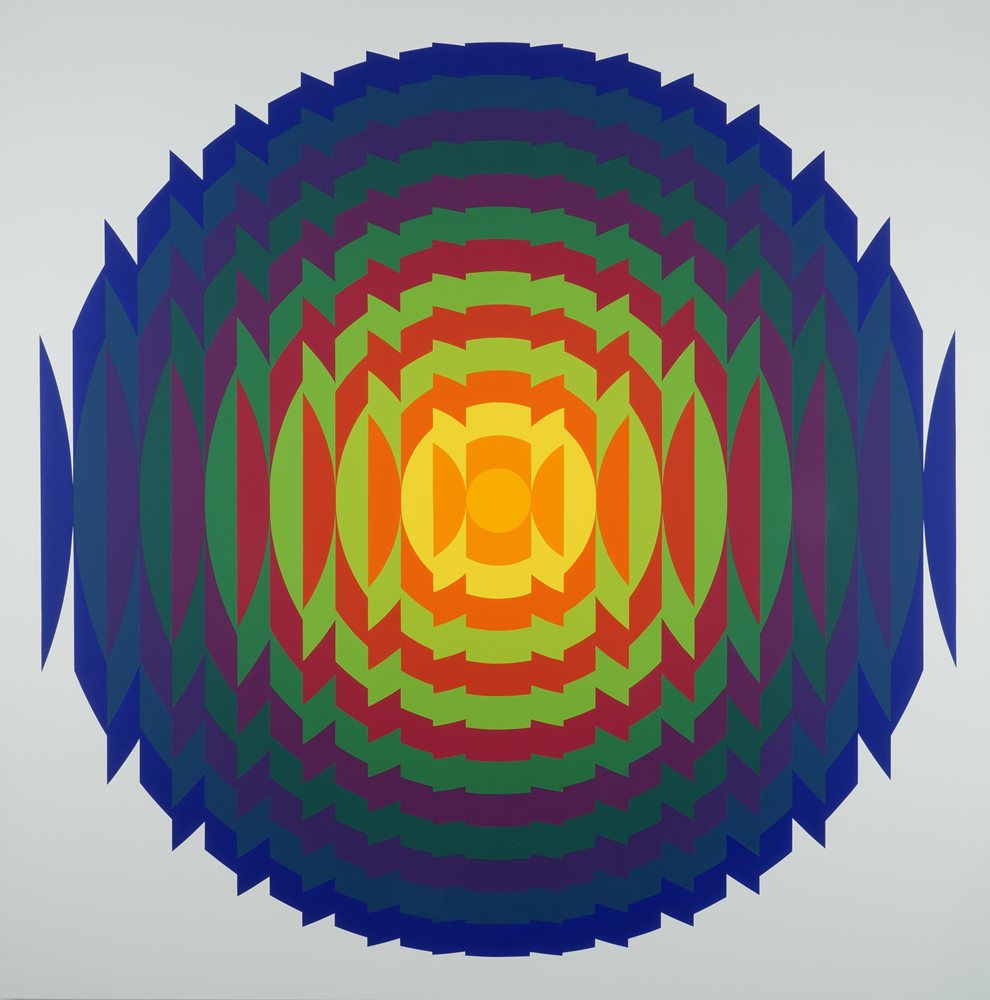
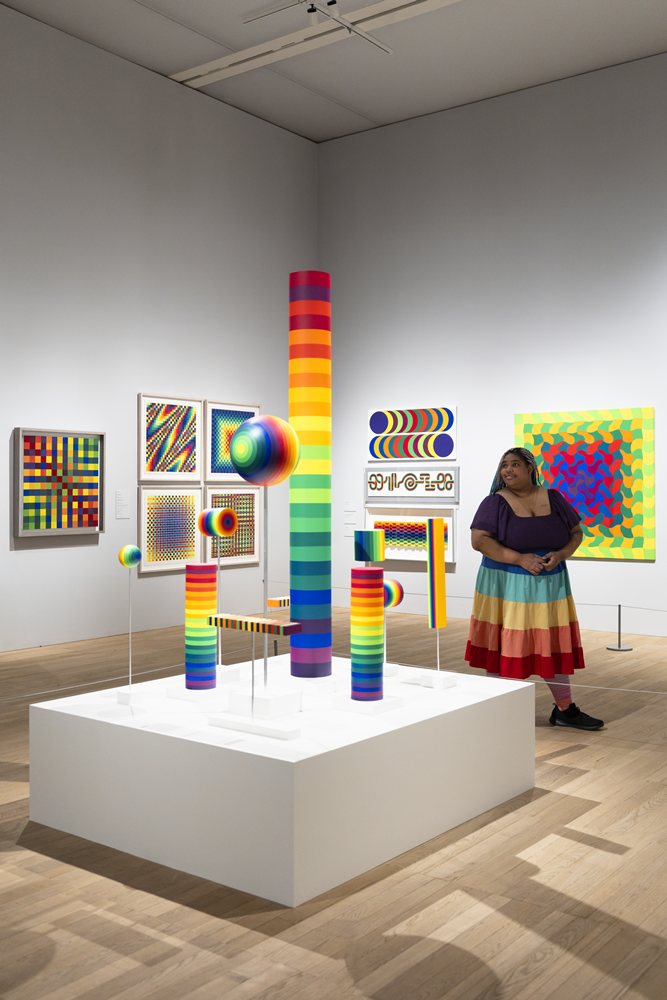
The later works remind us that Le Parc was also a painter deeply committed to colour. His palette of fourteen hues, developed in the late 1950s, became a system for exploring almost endless chromatic variation. In the wave paintings, the Modulations and the Alchemy series, colour is treated as energy: not a surface decoration, but a force that can bend, pulse and move through the eye.
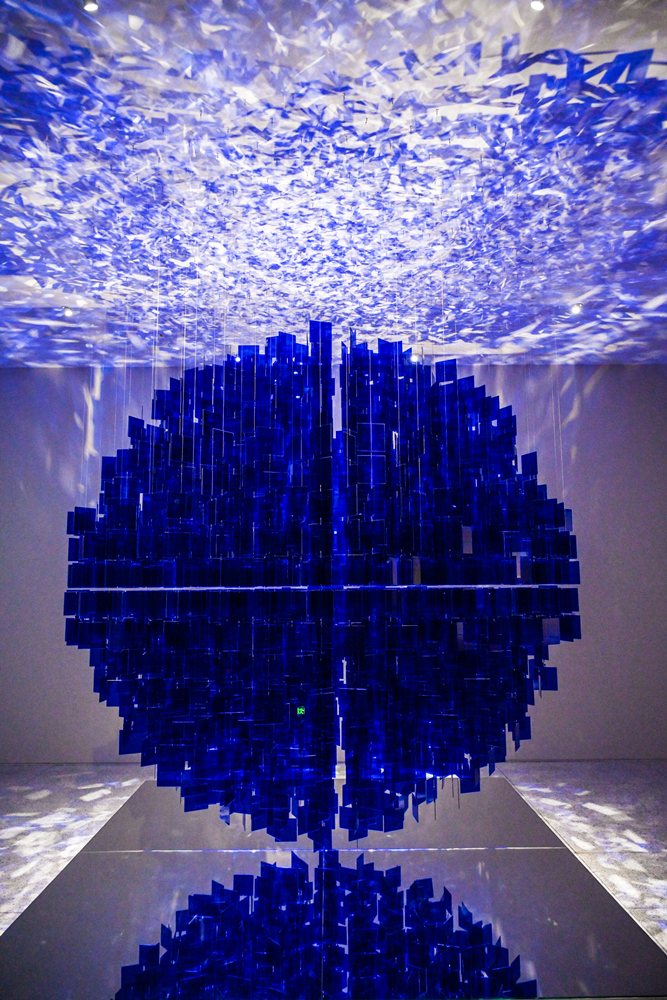
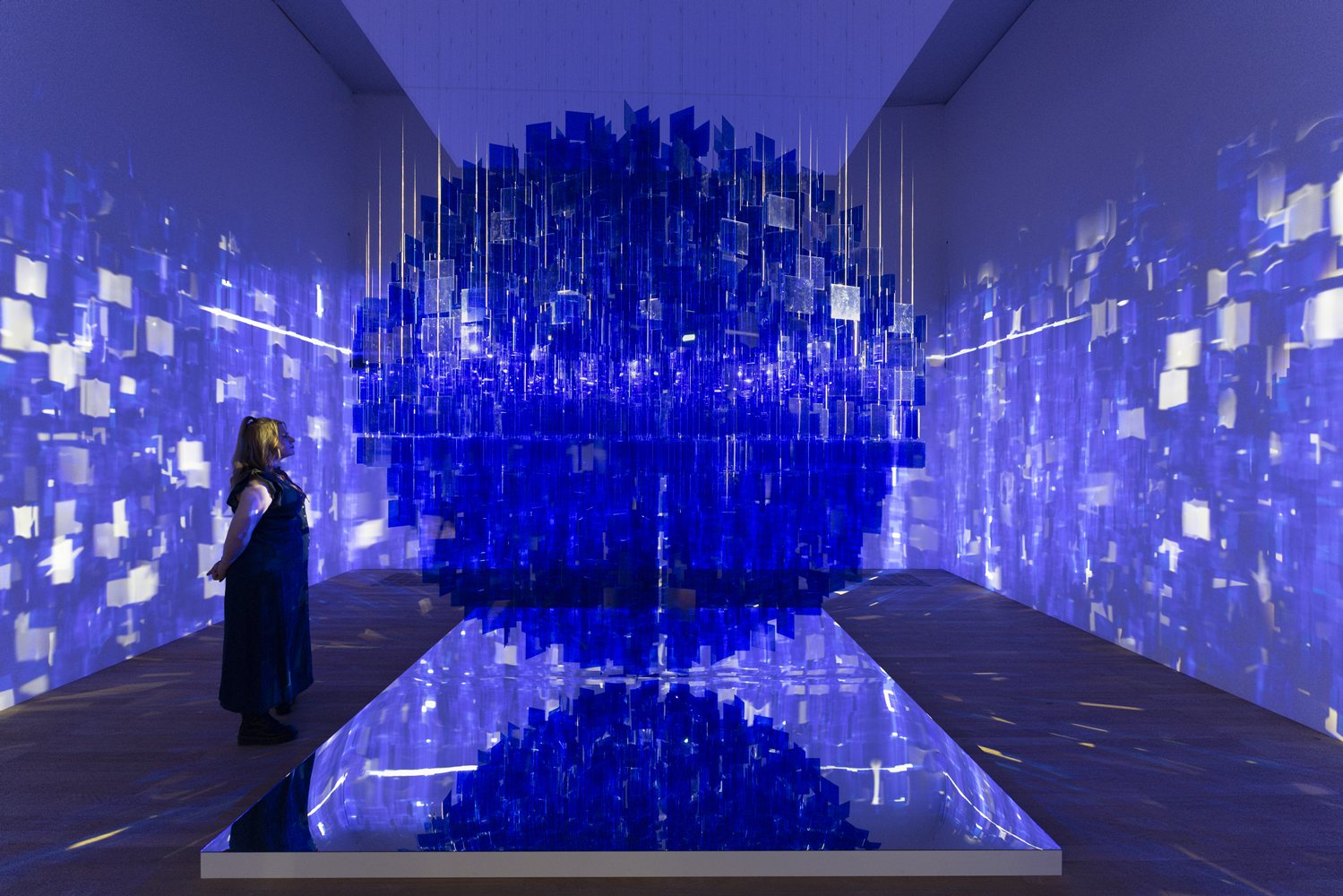
The exhibition’s large-scale works bring that investigation into a more immersive register. Blue Sphere, created in 2013 and later acquired by Tate, is a suspended field of translucent blue acrylic elements. Seen from a distance, it has the presence of a luminous planet or an optical cloud. As you approach, the sphere breaks into fragments. The eye tries to hold it together, but the work keeps slipping between object, reflection and atmosphere.
Planning Your Visit: Dates, Tickets & Tips
Julio Le Parc: Light. Colour. Action. runs at Tate Modern from 11 June 2026 to 3 May 2027. Because this is a long-running exhibition, visitors have some flexibility, but advance booking is still recommended, especially for weekends, Friday and Saturday evenings, school holidays and periods when London is particularly busy.
Tickets start from £15, with concessions available at £13. Tate Members can visit free, and Tate Collective offers £5 tickets for visitors aged 16–25. Since this is an exhibition where space, movement and interaction matter, try not to rush. Allow at least 75 to 90 minutes if you want to experience the light works properly and still have time to revisit anything that changes with your movement.
For international visitors, Tate Modern is easy to combine with other Bankside and South Bank sights. The Millennium Bridge, Shakespeare’s Globe, St Paul’s Cathedral across the river and Borough Market are all within walking distance. The best approach is to treat the exhibition as part of a half-day on the river rather than as a quick museum stop.
You can Book tickets through Tate. If you are sensitive to strong light effects, moving reflections or visually intense environments, check the exhibition information before visiting and move through the rooms at your own pace. Le Parc’s work is joyful, but it is also designed to unsettle perception.
Explore Tate Modern with an Expert Guide
Navigate one of the world's great modern art collections with a private guide — context, stories and insights that you won't find on the label.
Discover the Tate Modern Private TourWhy Visit Julio Le Parc: Light. Colour. Action.?
This exhibition is worth visiting because it does something many retrospectives cannot: it makes the history of an artistic movement feel physically alive. Kinetic art and Op Art can sound technical on paper, but Le Parc’s work explains itself through experience. You understand the idea by walking into it.
For visitors who are not specialists in twentieth-century art, that directness is one of the exhibition’s great strengths. You do not need to know the theoretical debates of 1960s Paris to feel the surprise of a moving reflection or the instability of a vibrating pattern. The intellectual argument is there, but it arrives through the senses first.
The show is also unusually generous. It includes works that are beautiful, playful, disorientating and politically charged, often at the same time. Le Parc wanted art to be less hierarchical and more active, and that ambition still feels fresh in a museum setting. Instead of telling you what to think, the exhibition repeatedly asks you to test how you see.
That makes Julio Le Parc: Light. Colour. Action. a strong choice for visitors who want something different from a traditional painting show. It is especially rewarding for anyone interested in modern art, design, visual perception, immersive installations or the relationship between technology and the body.
Practical Information
- Dates: 11 June 2026 – 3 May 2027
- Opening Hours: Open daily 10.00–18.00; Friday and Saturday until 21.00
- Location: Tate Modern, Bankside, London SE1 9TG
- Tickets: Adult tickets from £15; concessions £13; Tate Collective 16–25 tickets £5; free for Tate Members
- How to Get There: Nearest stations include Southwark, Blackfriars and St Paul’s. Blackfriars is also useful for National Rail services, and Bankside Pier is nearby for riverboat services.
Final Thoughts
Julio Le Parc: Light. Colour. Action. is a vivid introduction to an artist who transformed looking into an active, physical experience. The exhibition is colourful and accessible, but it also has real historical depth, connecting the pleasures of light and movement with a serious ambition to change the role of the spectator.
Visit when you have enough time to slow down, move around the works and let the optical effects unfold. For more context before or after your visit, explore our Tate Modern guides and private museum tours.
Author: The London Museum Tours Team
This article was curated by the London Museum Tours team. With years of experience guiding visitors through London's permanent collections and temporary exhibitions, our goal is to help you plan the perfect visit.
Julio Le Parc: Light. Colour. Action. – FAQ
-
Do I need to book Julio Le Parc tickets in advance?
Advance booking is recommended, especially at weekends, on Friday and Saturday evenings, and during school holidays. Some tickets may be available on the day, but booking online is the safest option.
-
How long should I allow for the exhibition?
Allow around 75 to 90 minutes. The exhibition includes light sculptures and interactive works that reward slow looking and movement, so it is better not to treat it as a quick walk-through.
-
Is the Julio Le Parc exhibition suitable for children?
Yes, many children and teenagers may enjoy the colour, movement and interactive elements. Families should still follow gallery instructions carefully, as some works may be fragile or have specific rules for interaction.
-
Can I take photos inside the exhibition?
Tate usually allows personal photography in many areas, but temporary exhibitions can have specific restrictions. Check the signs at the entrance and avoid flash, tripods or filming where not permitted.
-
Is Tate Modern free to visit?
The main Tate Modern collection is free to visit, but major temporary exhibitions such as Julio Le Parc usually require a paid ticket. Tate Members can visit the exhibition free of charge.
-
What else can I see near Tate Modern?
Tate Modern is close to the Millennium Bridge, Shakespeare’s Globe, the South Bank, Borough Market and St Paul’s Cathedral across the river. It is a good exhibition to combine with a wider Bankside walk.
-
Is the exhibition accessible?
Tate Modern has step-free access, lifts and visitor accessibility services. Because this exhibition includes strong optical effects, moving reflections and light-based works, visitors with sensory sensitivities may wish to check Tate’s accessibility information before booking.