Frida Kahlo: The Making of an Icon – Tate Modern Exhibition 2026
What is the Frida: The Making of an Icon exhibition?
Frida: The Making of an Icon is a major Tate Modern exhibition exploring how Frida Kahlo became one of the most recognisable figures in modern art. Through paintings, photographs, documents, personal objects and works by later artists, the exhibition examines Kahlo’s art, image, politics and global cultural legacy.
Exhibition at a Glance
- What: Frida: The Making of an Icon
- Where: Tate Modern, London
- When: 25 June 2026 – 3 January 2027
- Why Go: Kahlo beyond the familiar image
- Tickets: From £25. Book online in advance.
About the Exhibition: Frida: The Making of an Icon
At Tate Modern, Frida: The Making of an Icon asks a question that is more complex than it first appears: how did Frida Kahlo, once better known outside Mexico as the wife of Diego Rivera, become a universal symbol of artistic independence, bodily endurance and cultural identity?
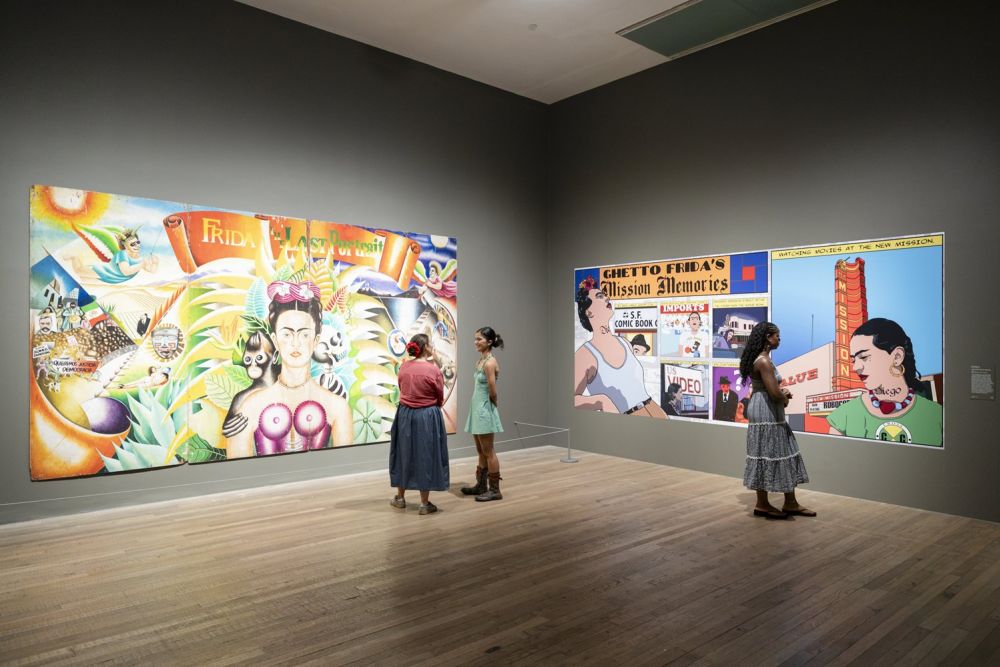
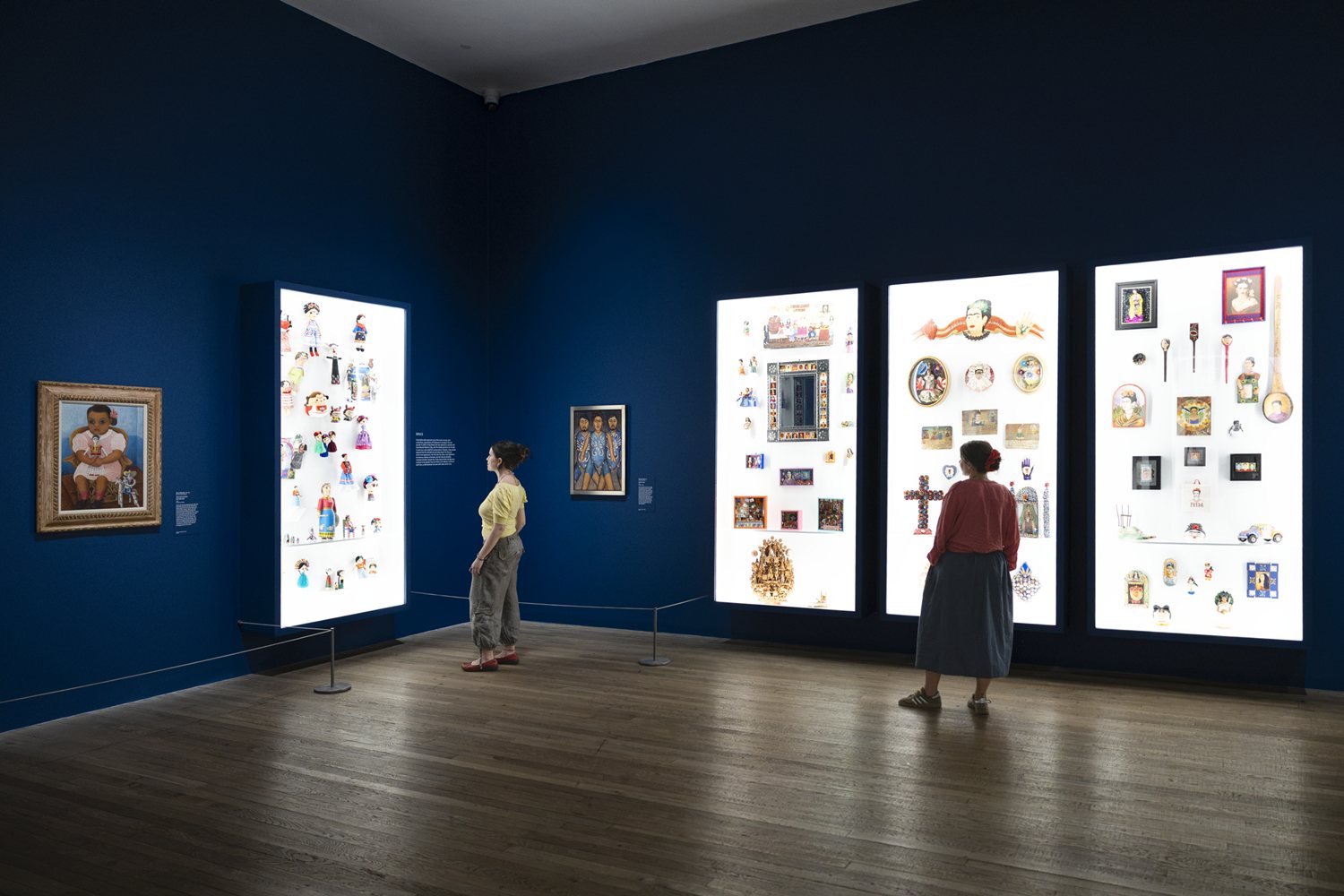
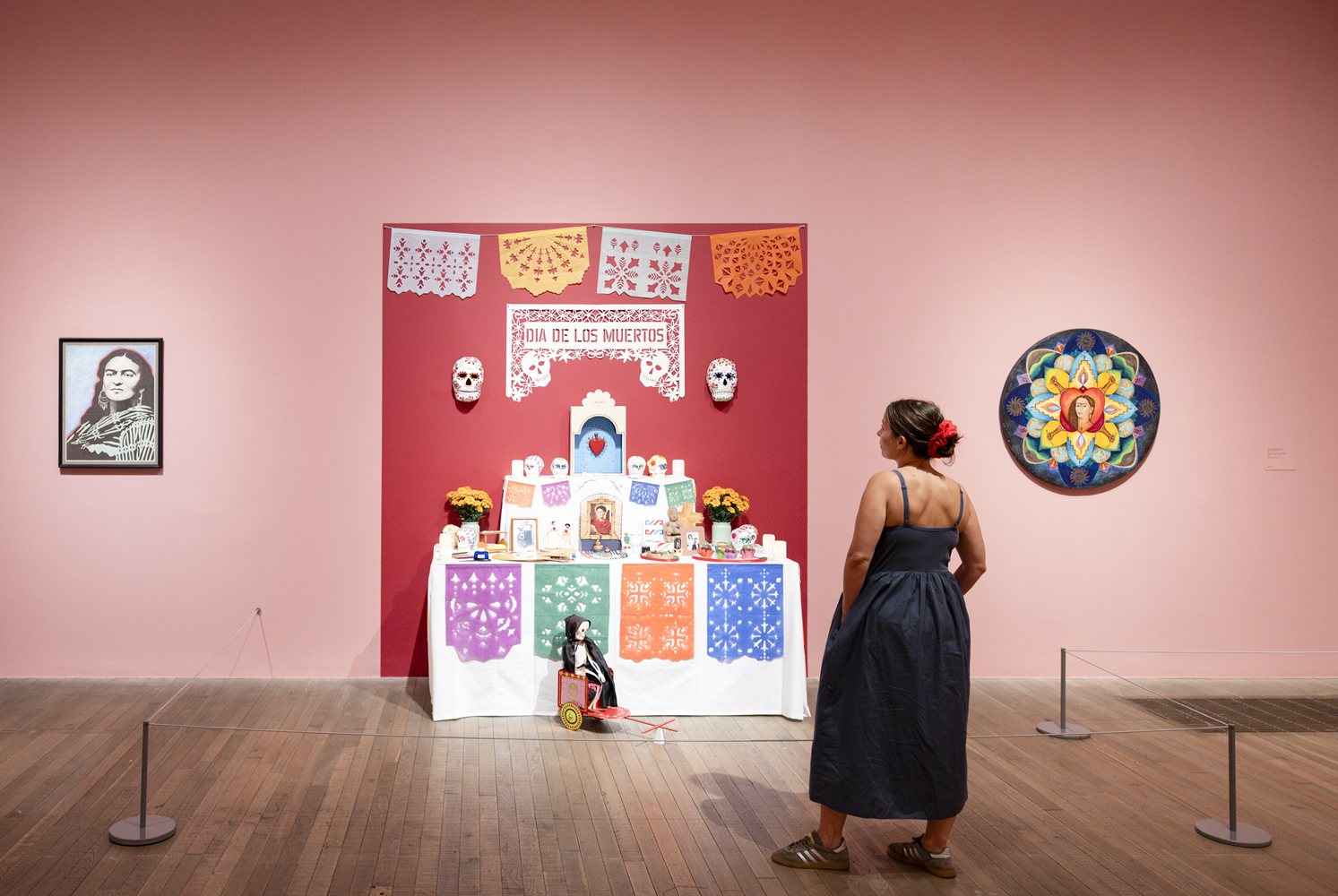
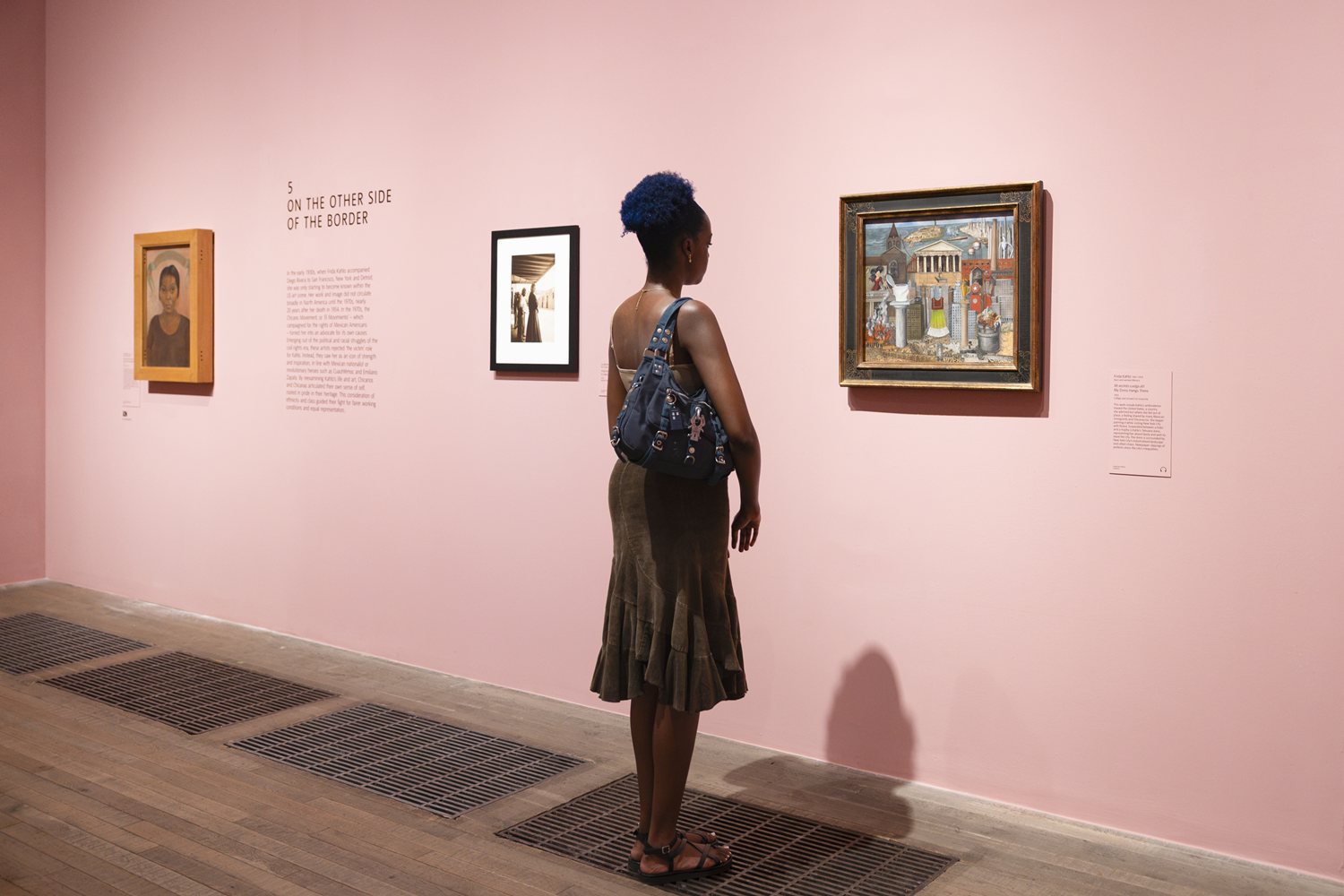
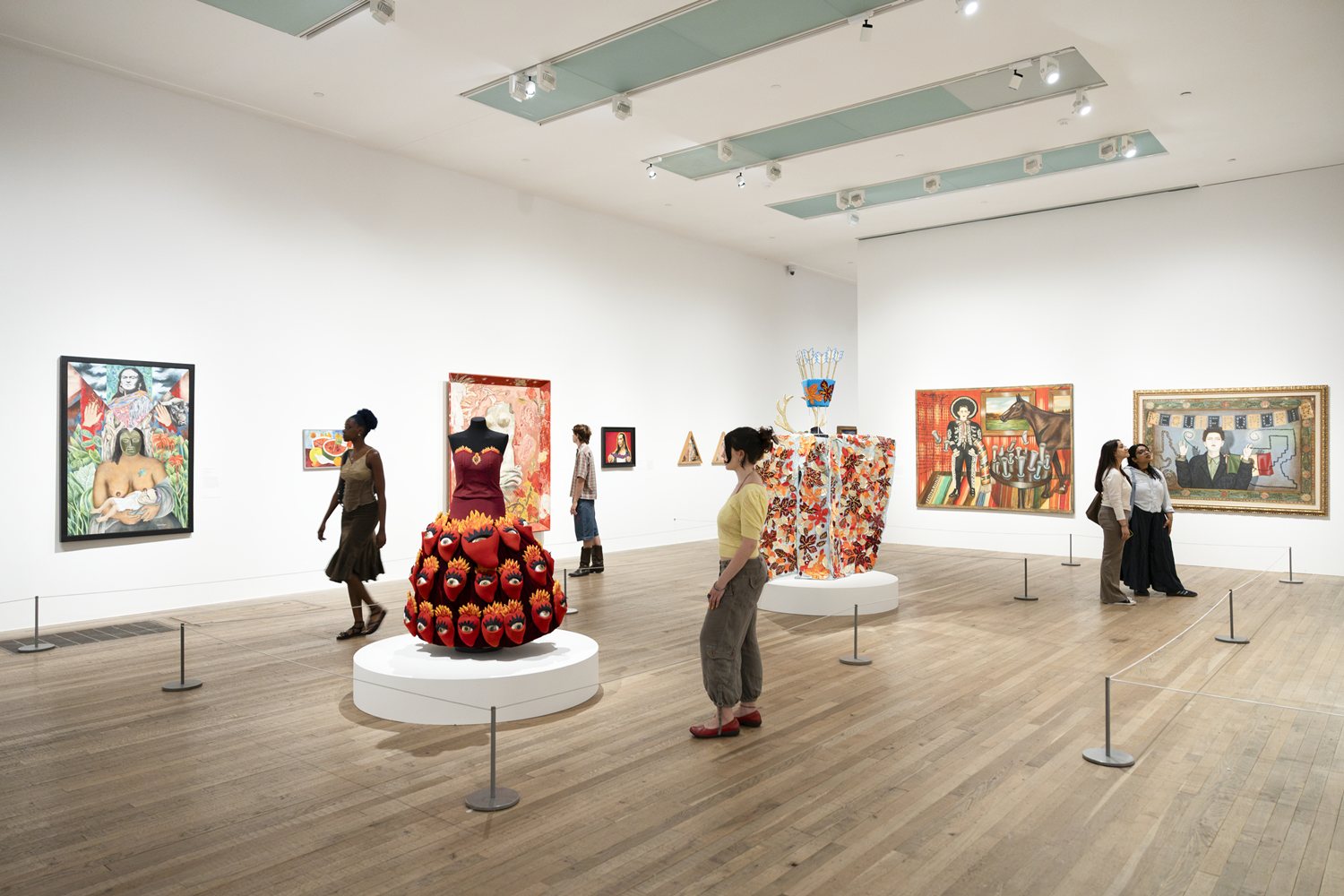
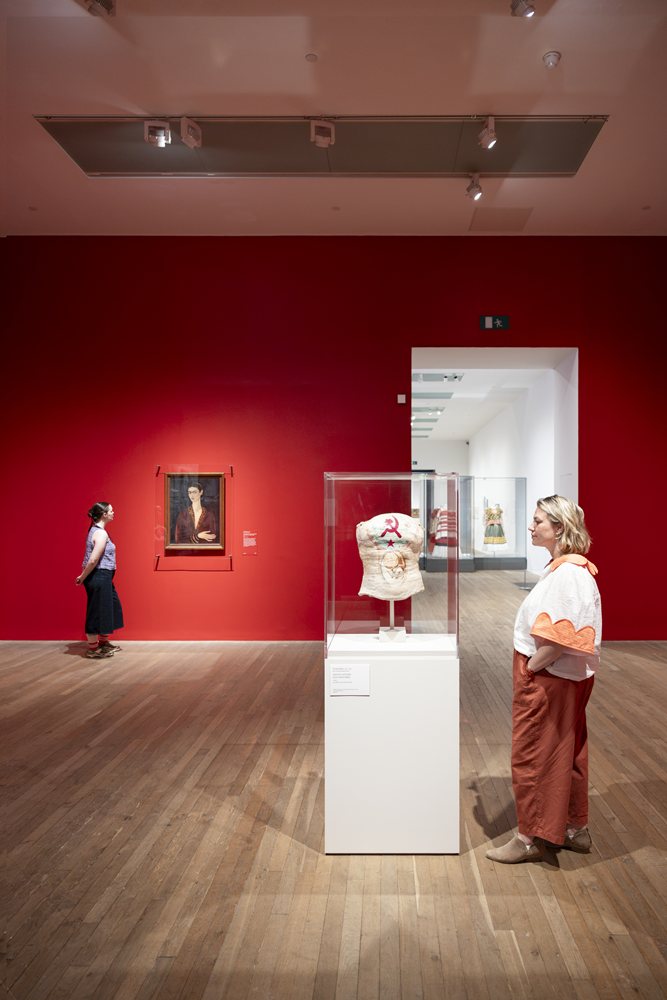
This is not a conventional retrospective. Visitors should not expect a simple chronological march through Kahlo’s career, nor a display made only of famous self-portraits. The exhibition is built around Kahlo’s own work, but it also follows the afterlife of her image: how artists, activists, photographers, collectors and popular culture have repeatedly remade “Frida” for different generations.
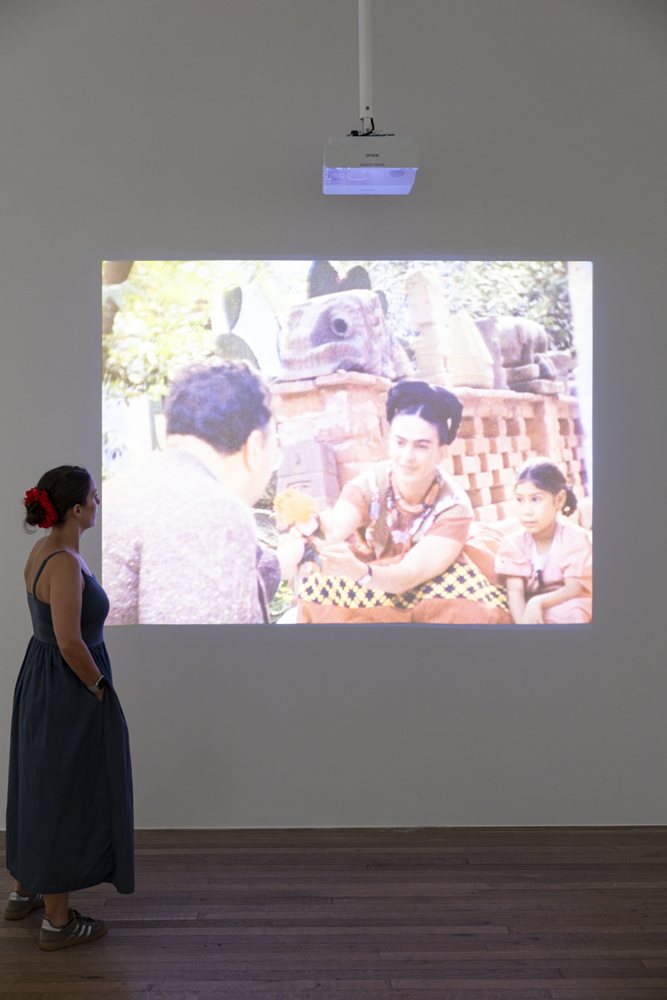
The show has been developed in collaboration with the Museum of Fine Arts, Houston, and brings together paintings, archival material, photographs and personal artefacts with works by artists influenced by Kahlo across several decades. Its strength lies in the tension between the intimate and the public. Kahlo’s face is everywhere today, yet the exhibition tries to slow that familiarity down and return the viewer to the original force of the work.
For visitors planning a wider cultural trip, this is one of the key Exhibitions in London for 2026. It also fits naturally with Tate Modern’s permanent collection, where modernism, Surrealism, abstraction, identity and political art can be explored in broader context before or after seeing the exhibition.
Artists and Must-See Works
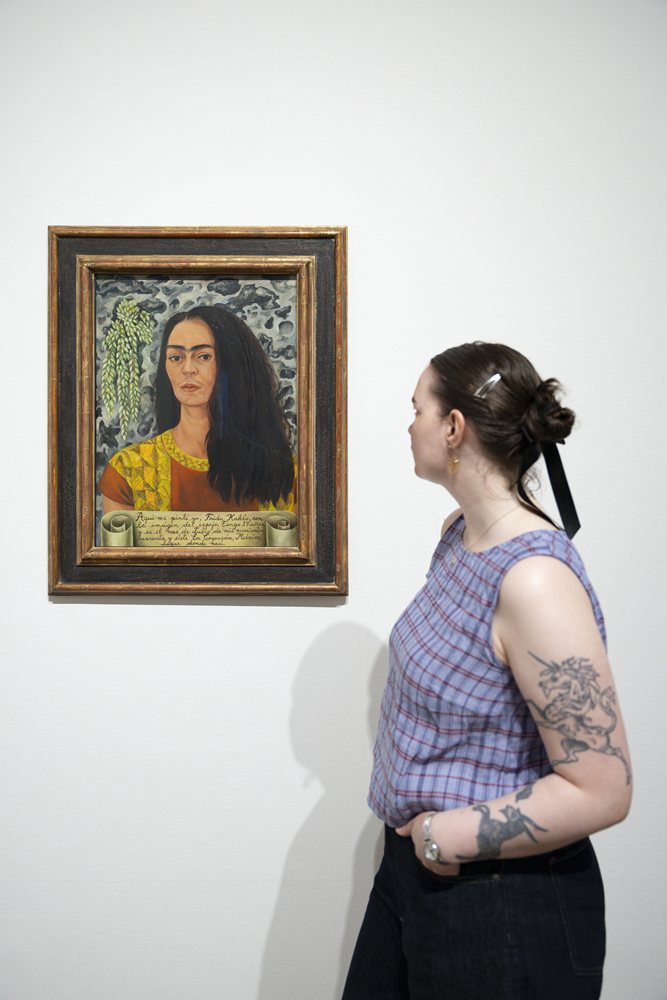
The first thing to remember about Kahlo is scale. Many of her paintings are physically small, but they do not behave like small works. They hold the wall through concentration: the fixed gaze, the controlled surface, the almost theatrical arrangement of hair, animals, plants, fabric and wounds. The viewer is drawn close, not by spectacle, but by pressure.
Among the early self-portraits, Self-Portrait Wearing a Velvet Dress from 1926 is especially revealing. Painted when Kahlo was still very young, it already shows her understanding that a portrait could be a performance of identity. The elongated neck, the dark dress and the restless water behind her create an image of cultivated drama rather than simple likeness. It is a painting made at the beginning of a life in which self-representation would become both necessity and invention.
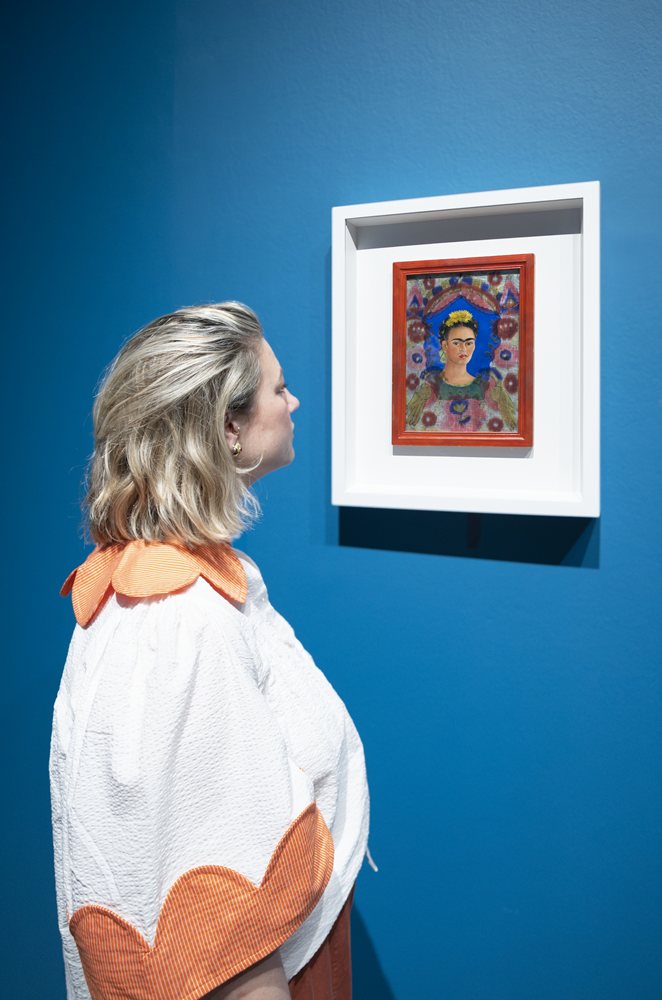
The Frame, made in 1938, is another work to pause over. Kahlo placed her self-portrait into a brightly coloured reverse-painted glass frame, the kind of object associated with mirrors, photographs or devotional images. The effect is striking: her face appears almost like an icon, but the icon is handmade, Mexican, secular and intensely self-aware. The painting’s history matters too. It entered the French national collection in 1939 and helped establish Kahlo’s presence in Europe at a time when she was still far from the global celebrity she would later become.
The exhibition also gives space to the darker emotional charge of Kahlo’s art. Memory, the Heart turns private pain into a sharply staged image: a body with an emptied chest, a heart displaced outside the figure, clothing suspended like abandoned identities. It is a painting about betrayal and rupture, but also about how Kahlo made feeling visible without softening it.
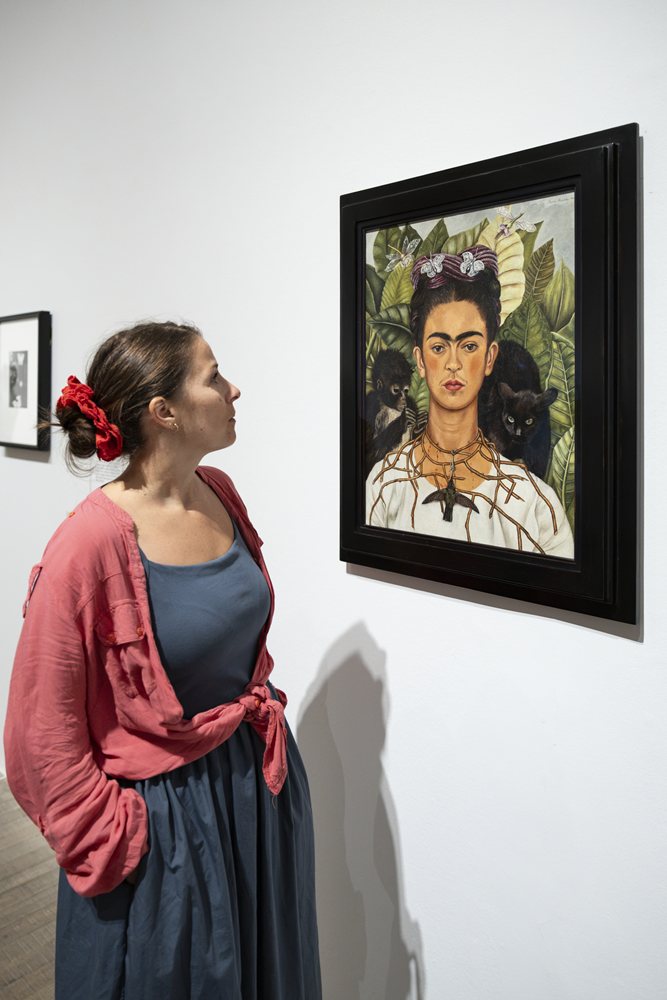
In Self-Portrait with Thorn Necklace and Hummingbird, the surface is still, but the symbols are restless. The thorn necklace cuts into Kahlo’s neck; a hummingbird hangs like an amulet; a black cat and monkey press into the dense vegetation behind her. The painting is often reproduced, but in person its power lies in the controlled imbalance between calm expression and physical threat. The face does not collapse into suffering. It stares back.
Self-Portrait with the Portrait of Doctor Farill belongs to the late, medically marked phase of Kahlo’s life. The work shows Kahlo beside the doctor who operated on her, holding paintbrushes like instruments of both art and injury. A human heart appears on the palette, making the act of painting feel bodily, almost surgical. It is one of the exhibition’s clearest reminders that Kahlo did not simply illustrate pain: she transformed it into a visual language.
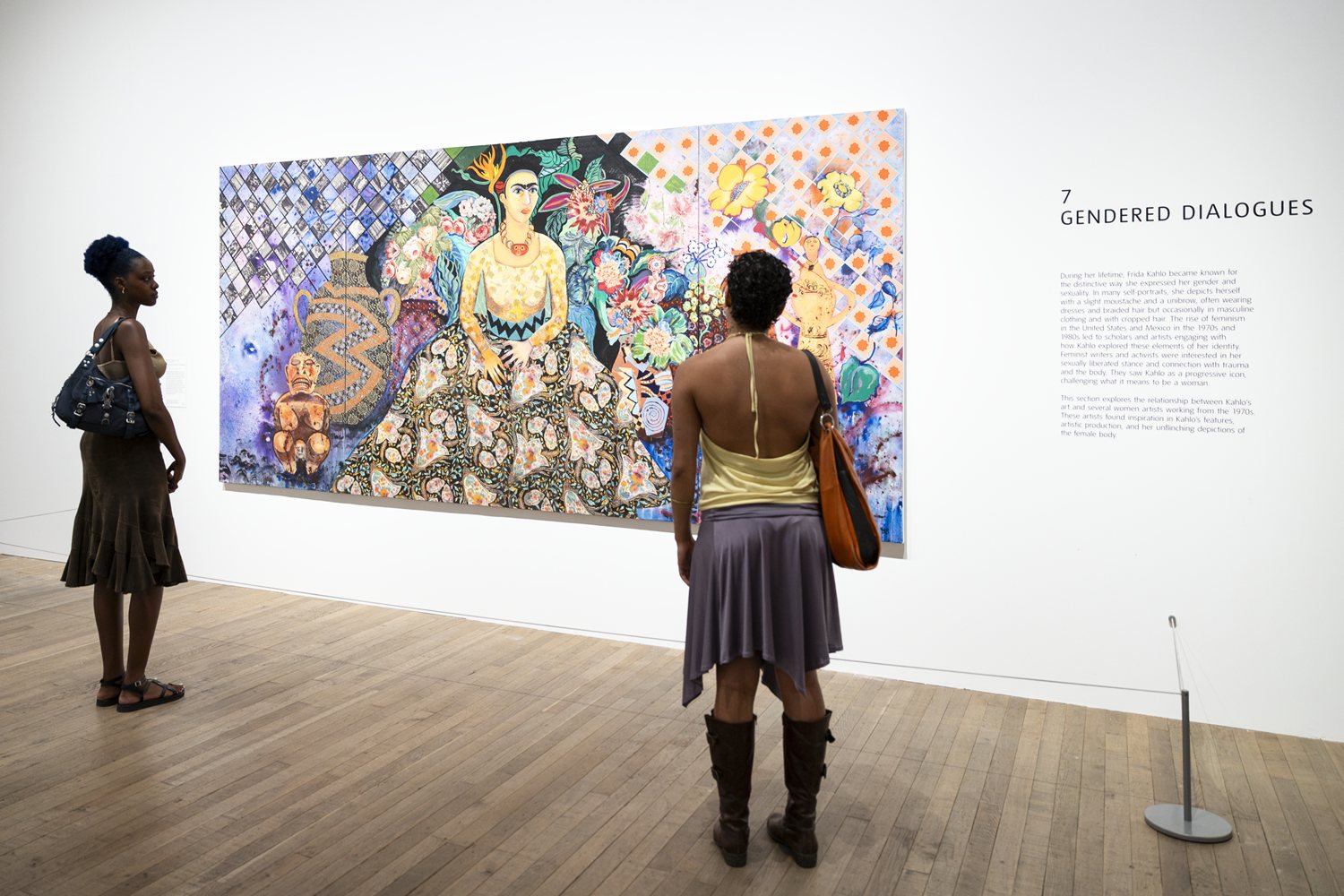
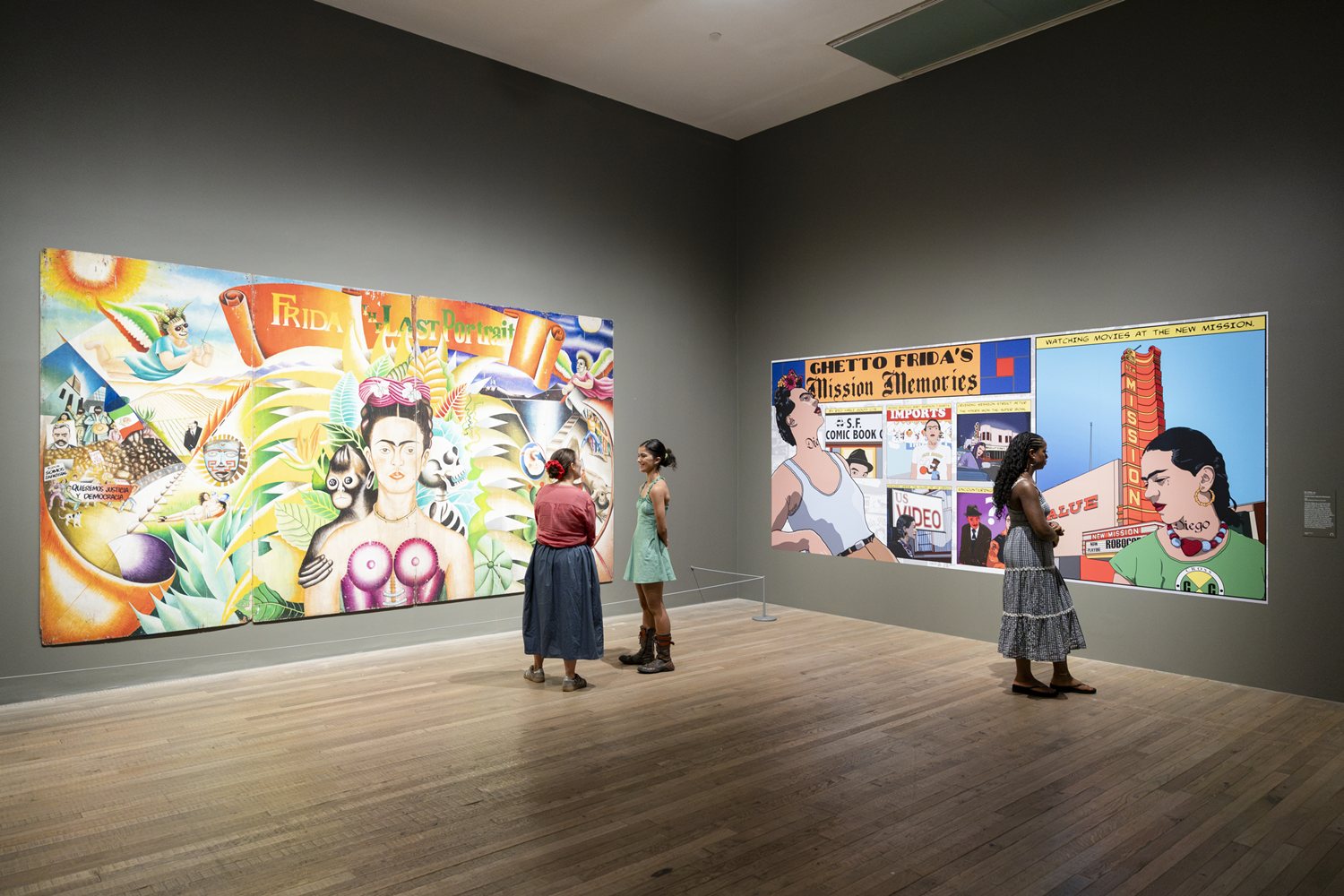
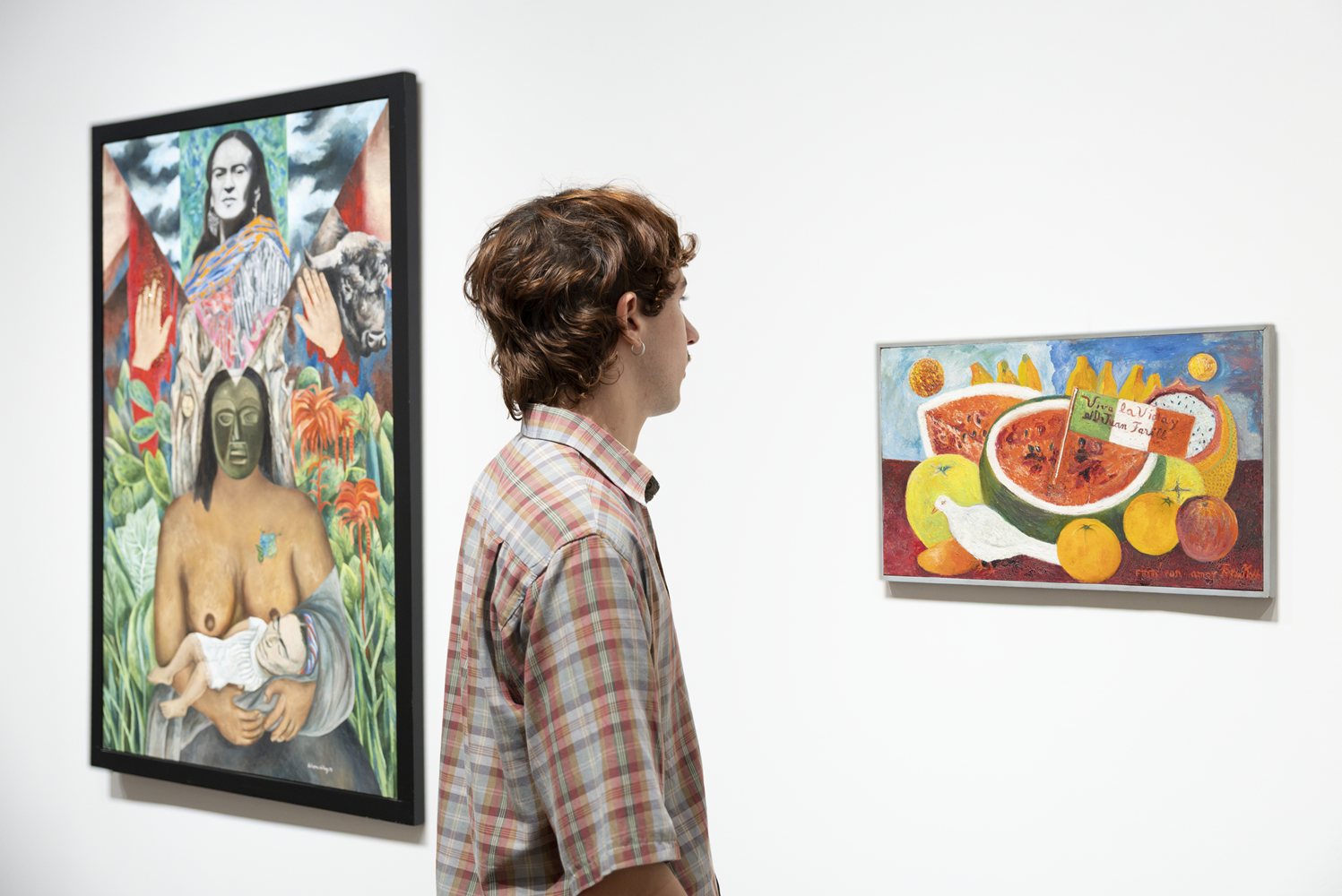
The show also places Kahlo in dialogue with artists around her and after her. Diego Rivera appears not simply as husband or mythic counterweight, but as part of the artistic and political world in which Kahlo worked. Later artists such as Judy Chicago, Kiki Smith and Ana Mendieta help explain why Kahlo’s influence expanded so strongly from the 1970s onward, especially among artists working with gender, the body, ritual, violence, identity and cultural memory.
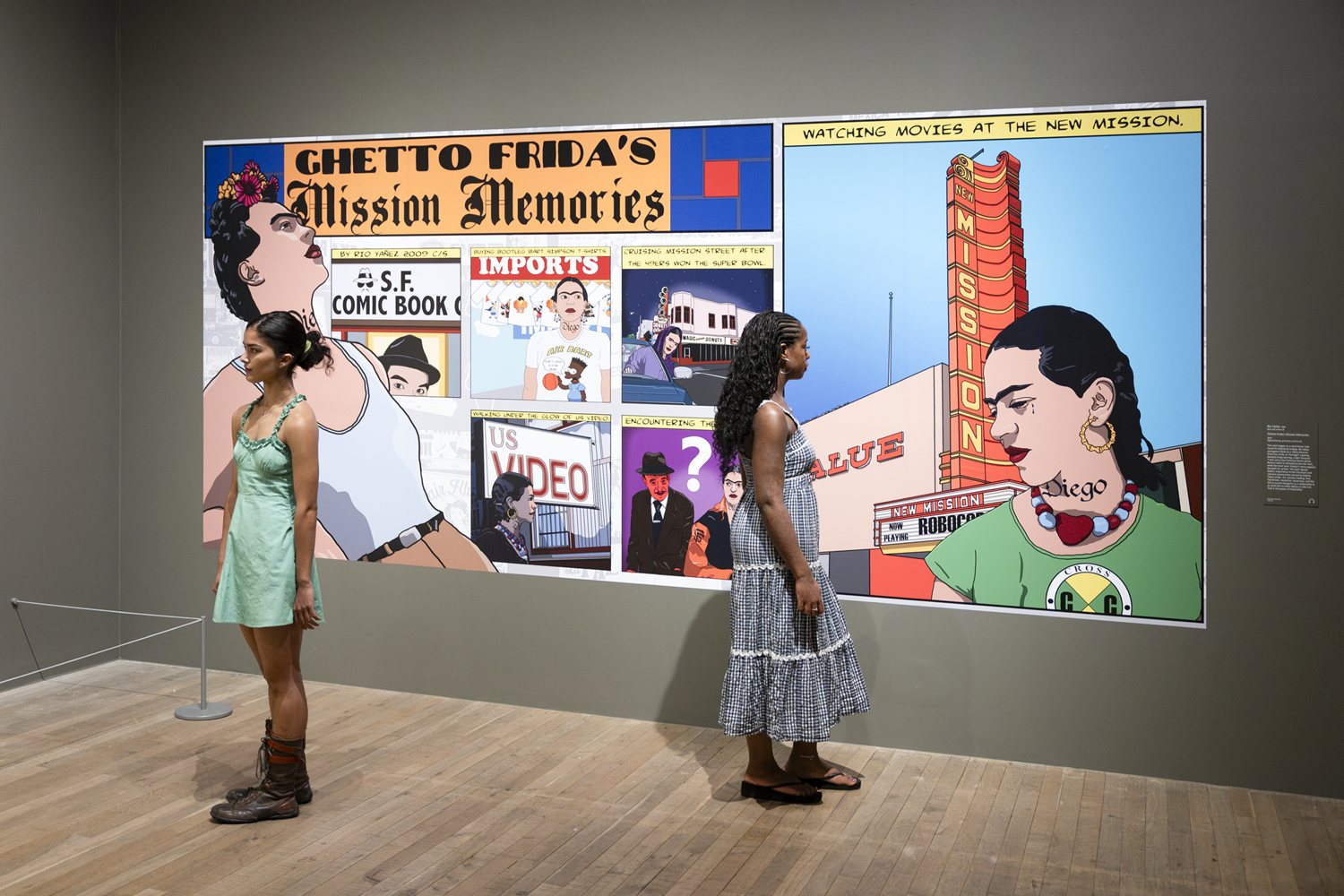
One of the exhibition’s most interesting strands is the way it treats “Frida” as both person and phenomenon. Photographs by Nickolas Muray helped shape the public image of Kahlo: the direct gaze, the flowers, the clothing, the sense of someone fully aware of the camera’s power. By the final rooms, that image has entered mass culture. The question becomes uncomfortable but necessary: when does admiration become branding, and what survives of the artist inside the icon?
Planning Your Visit: Dates, Tickets & Tips
Frida: The Making of an Icon runs at Tate Modern from 25 June 2026 to 3 January 2027. Because Frida Kahlo is one of the most widely recognised names in modern art, this is likely to be one of Tate Modern’s busiest exhibitions of the year. Booking online in advance is strongly recommended, especially for weekends, school holidays and late openings.
Adult tickets start from £25, with concessions available. Tate Members can enter free, and Tate Collective members aged 16–25 can access Tate exhibitions for £5. The permanent collection at Tate Modern remains free to visit, so it is worth allowing extra time to see the wider museum before or after the exhibition.
Allow at least 75 to 90 minutes for the exhibition if you want to read the wall texts and spend time with the archival material. Visitors with a deeper interest in Kahlo, Surrealism, feminist art or Latin American modernism may want closer to two hours. The show is likely to attract visitors who already know Kahlo’s image but less of her artistic context, so the most rewarding approach is to move slowly and resist treating the exhibition as a checklist of famous pictures.
For international visitors, Tate Modern is easy to combine with a walk along the South Bank. Shakespeare’s Globe, Millennium Bridge, St Paul’s Cathedral across the river, Borough Market and the Thames riverside are all nearby. If you are visiting London mainly for museums, this exhibition can work well alongside the permanent collection at Tate Modern or a separate modern art-focused itinerary.
You can Book tickets through Tate’s online ticketing page.
Explore Tate Modern with an Expert Guide
Navigate one of the world's great modern art collections with a private guide — context, stories and insights that you won't find on the label.
Discover the Tate Modern Private TourWhy Visit Frida: The Making of an Icon?
This exhibition matters because it does not treat Kahlo’s fame as a simple triumph. It asks what fame does to an artist, and what happens when a face becomes more familiar than the paintings themselves. For many visitors, that will be the most valuable part of the experience: the show separates, without fully dividing, Kahlo the painter from Kahlo the image.
It is also an exhibition for people who may not consider themselves specialists in modern art. Kahlo’s work speaks through direct visual means: skin, clothing, hair, animals, medical supports, plants, wounds, mirrors and devotional formats. The symbolism can be complex, but the emotional entry point is immediate.
Compared with a standard artist retrospective, the exhibition offers a broader cultural story. It shows Kahlo as a modernist painter, but also as a figure claimed by feminist, Chicano/a, queer, disability and Latin American artistic communities. That makes the exhibition especially relevant for visitors interested in how art history is written, revised and sometimes transformed by those who find themselves reflected in an artist’s work.
The show is not only about Frida Kahlo’s life. It is about the making of cultural memory: how a painter becomes an emblem, how an emblem becomes a brand, and how the original art can still cut through the noise.
Practical Information
- Dates: 25 June 2026 – 3 January 2027
- Opening Hours: Daily 10.00–18.00; open until 21.00 every Friday and Saturday
- Location: Tate Modern, Bankside, London SE1 9TG
- Tickets: Adult tickets from £25; concessions available; free for Tate Members; £5 tickets for Tate Collective members aged 16–25; children under 12 free
- How to Get There: Southwark Underground Station is approximately 600 metres away. Blackfriars, London Bridge and St Paul’s are also within walking distance.
Conclusion
Frida: The Making of an Icon is one of Tate Modern’s major London exhibitions for 2026, and it offers more than the familiar story of a celebrated artist. It looks closely at how Kahlo shaped her own image, how later generations transformed it, and why her paintings continue to feel urgent. Visit for the famous face, but stay for the quieter, sharper details that explain why the image survived. For a deeper museum experience, explore more Tate Modern content and guided tour options on London Museum Tours.
Author: The London Museum Tours Team
This article was curated by the London Museum Tours team. With years of experience guiding visitors through London's permanent collections and temporary exhibitions, our goal is to help you plan the perfect visit.
Frida: The Making of an Icon – FAQ
-
Do I need to book Frida: The Making of an Icon in advance?
Advance booking is strongly recommended. Frida Kahlo exhibitions usually attract high demand, and Tate’s own ticketing page advises booking at least 24 hours in advance for cheaper tickets.
-
Is the Frida Kahlo exhibition included with free Tate Modern entry?
No. Tate Modern’s permanent collection is free, but Frida: The Making of an Icon is a ticketed exhibition. Tate Members can enter exhibitions free with their membership.
-
How long should I spend at the exhibition?
Allow around 75 to 90 minutes for a comfortable visit. If you want to read the archival material carefully or explore Tate Modern’s permanent collection afterwards, allow at least two hours in total.
-
Is the exhibition suitable for children?
Older children and teenagers interested in art may find the exhibition engaging, but some works deal with pain, death, the body and emotional trauma. Children under 12 are generally entitled to free exhibition tickets at Tate Modern.
-
Can I take photographs inside the exhibition?
Tate does not permit flash, camera supports or selfie sticks. Photography rules can vary in ticketed exhibitions because of loan agreements, so check the signs at the entrance and beside individual works.
-
What is the best Tube station for Tate Modern?
Southwark on the Jubilee line is one of the closest Underground stations. Blackfriars, London Bridge and St Paul’s are also convenient, depending on where you are travelling from.
-
Can I combine the exhibition with a Tate Modern private tour?
Yes, but the private tour usually focuses on Tate Modern’s permanent collection rather than replacing the exhibition ticket. It can be an excellent way to understand the wider modern art context around Kahlo’s work.