The Bayeux Tapestry - British Museum Exhibition 2026
What is The Bayeux Tapestry exhibition?
The Bayeux Tapestry exhibition at the British Museum brings the 11th-century embroidery back to England for the first time since it was made nearly 1,000 years ago. Displayed flat in one continuous run, the 70-metre work is shown alongside manuscripts, charters and coins that illuminate the Norman Conquest and its immediate aftermath.
Exhibition at a Glance
- What: The Bayeux Tapestry
- Where: British Museum, London
- When: 10 September 2026 – 11 July 2027
- Why Go: See the original embroidery in England
- Tickets: From £25, sold by the British Museum — book on the official site
About the Exhibition: The Bayeux Tapestry
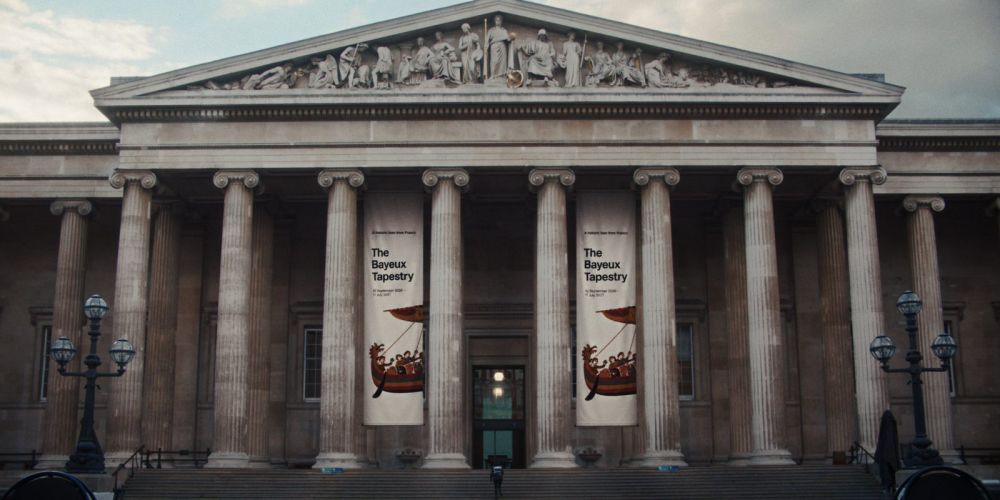
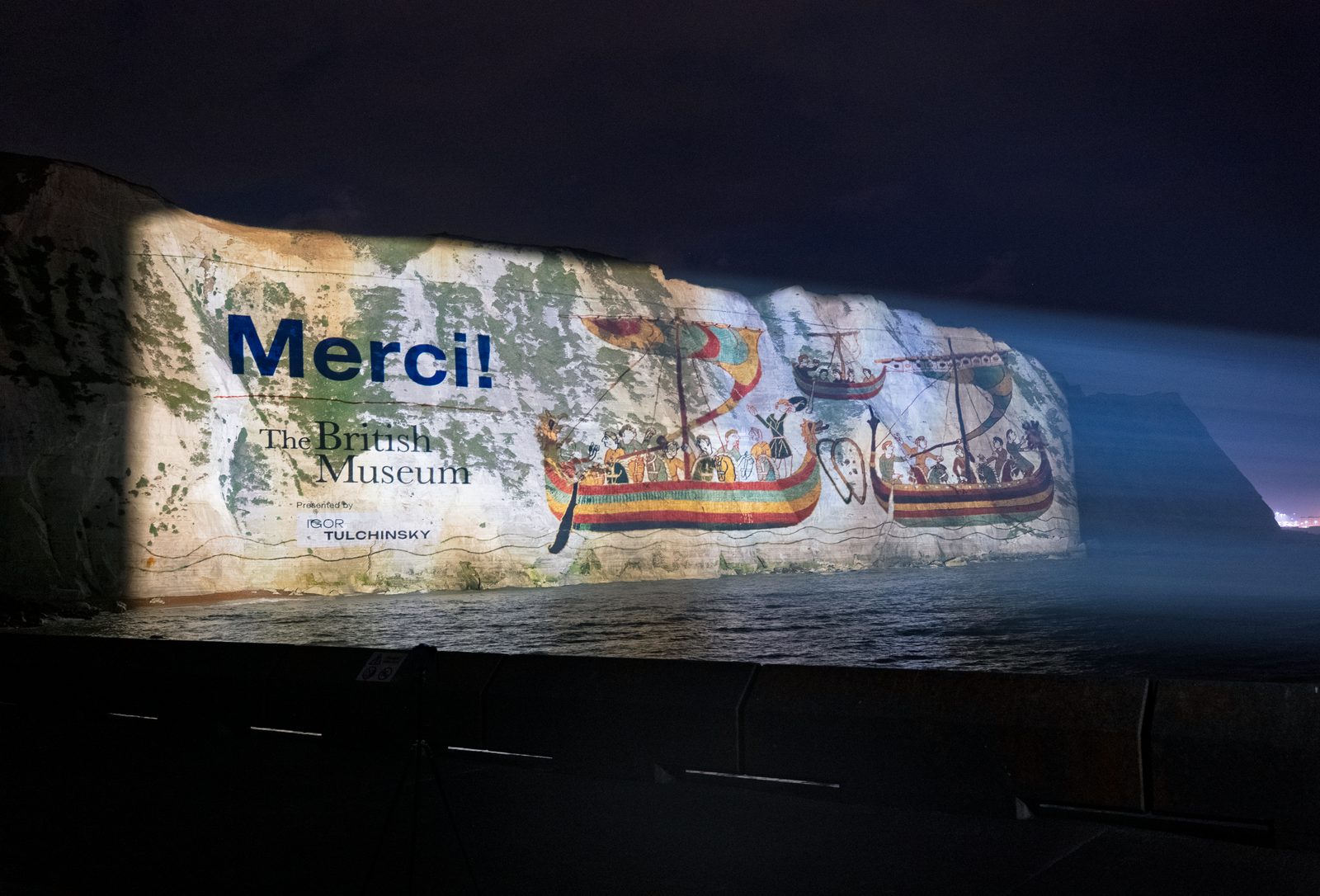
Few objects tell a story on this scale. Nearly 70 metres of linen carry an embroidered sequence of ships, horses, feasts, councils, oaths and battle, culminating in the violent struggle for the English throne in 1066. From 10 September 2026, the The Bayeux Tapestry experience brings the original work to the British Museum under a historic loan agreement between France and the United Kingdom. It is the first time the embroidery has been displayed in England since it was made almost a millennium ago.
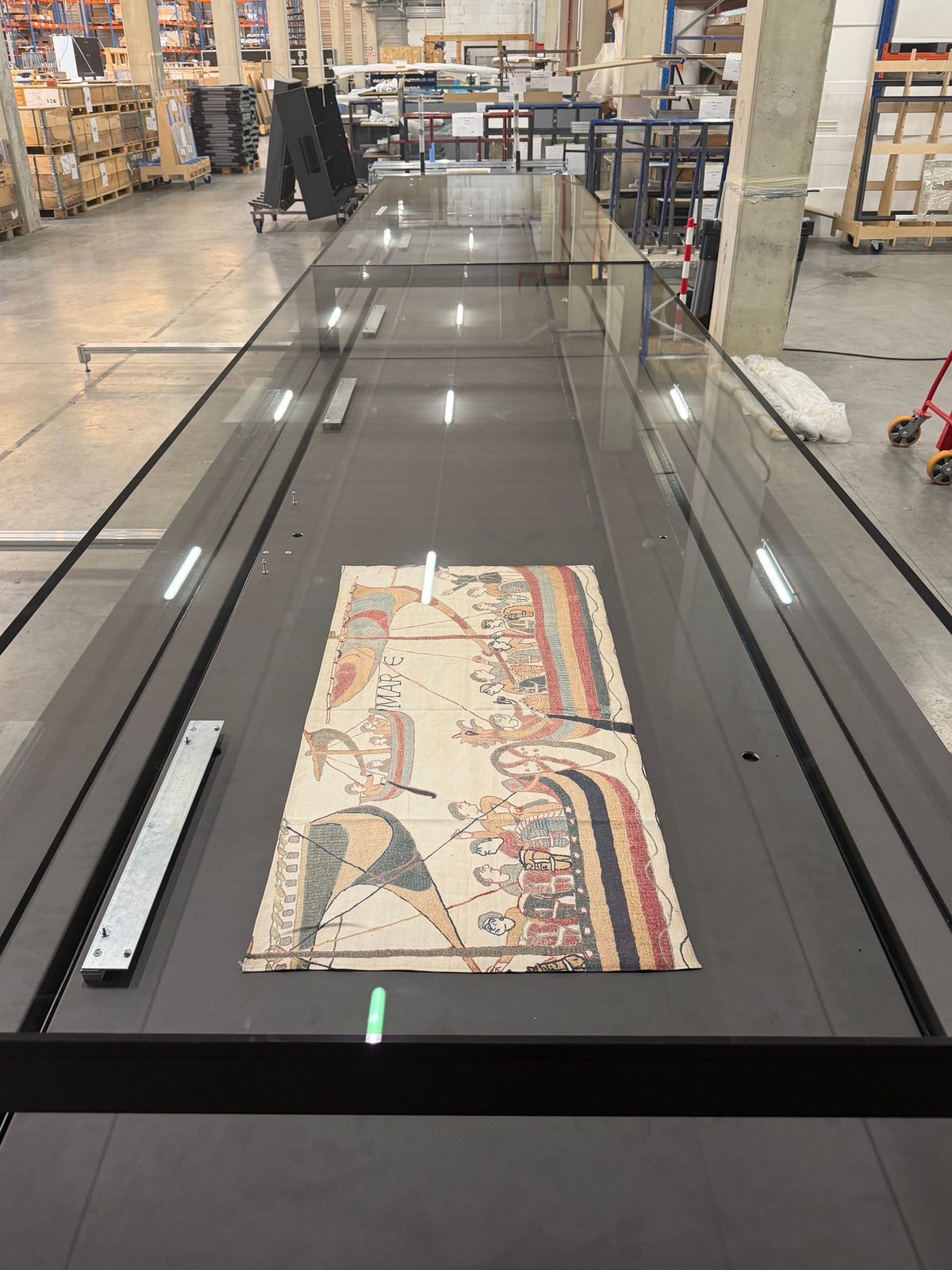
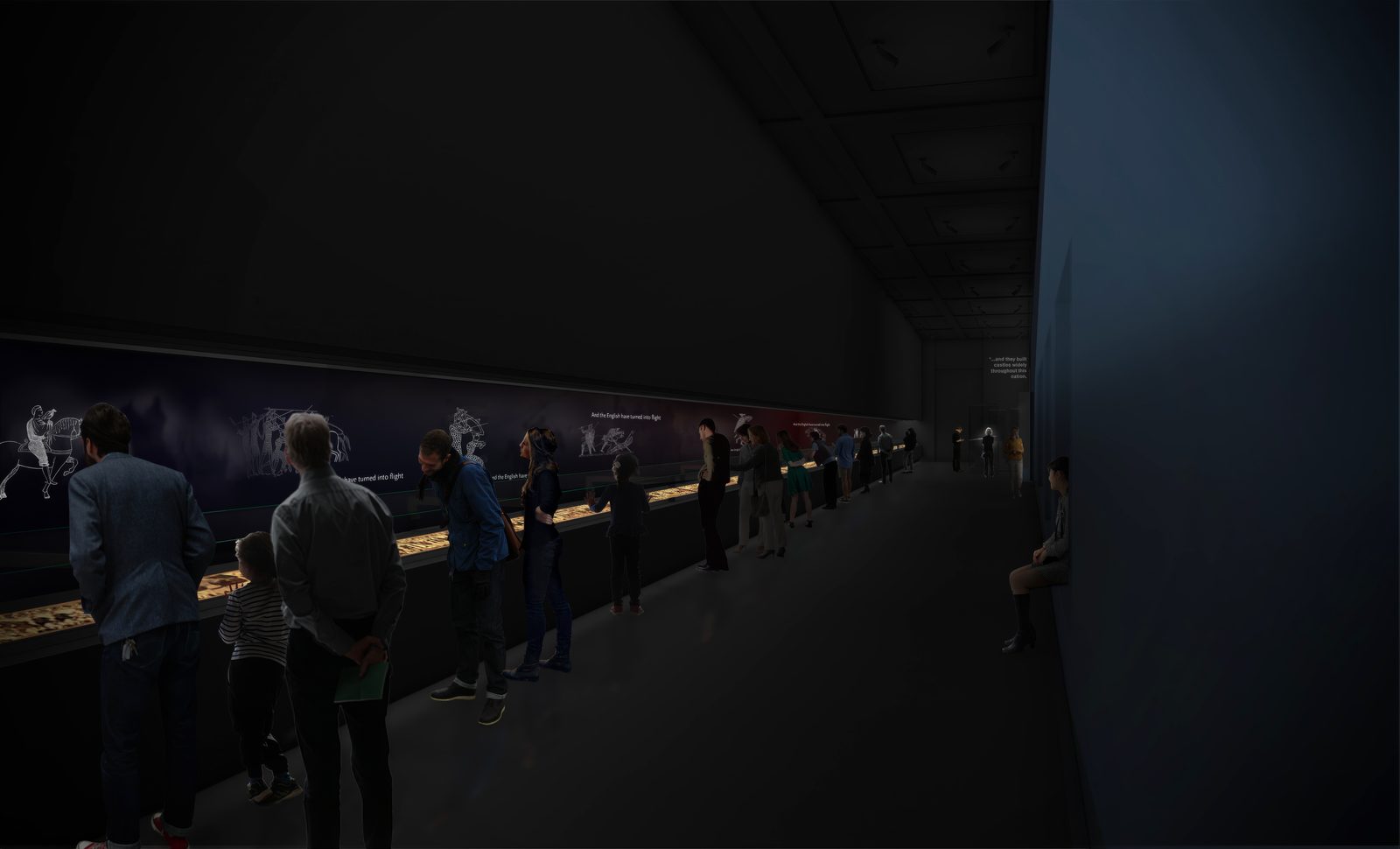
The manner of display is almost as important as the loan itself. Visitors will see the embroidery laid flat and presented in one continuous length inside a specially designed case. Earlier displays treated the object very differently: for long periods it was shown vertically, while between 1700 and 1842 it was generally unrolled only for scholars and distinguished visitors. The British Museum's presentation therefore offers an unusual opportunity to follow the narrative at the pace for which this long sequence seems made — scene after scene, figure after figure, without losing sight of the work as a single object.
The Tapestry is not being presented in isolation. Loans and objects from British collections place it against the political world immediately before and after the Norman Conquest: a charter of Edward the Confessor, an illustrated Anglo-Saxon manuscript, silver pennies struck for rival kings and William the Conqueror's tiny 1067 charter to the people of London. Together they make this more than the display of one famous object. They turn the exhibition into a close examination of how power changed hands — and how people living through that change recorded it.
For visitors planning a wider museum day, our guide to the British Museum introduces the permanent collection, while our Exhibitions in London page covers other temporary shows worth considering during your stay.
Artists and Must-See Works
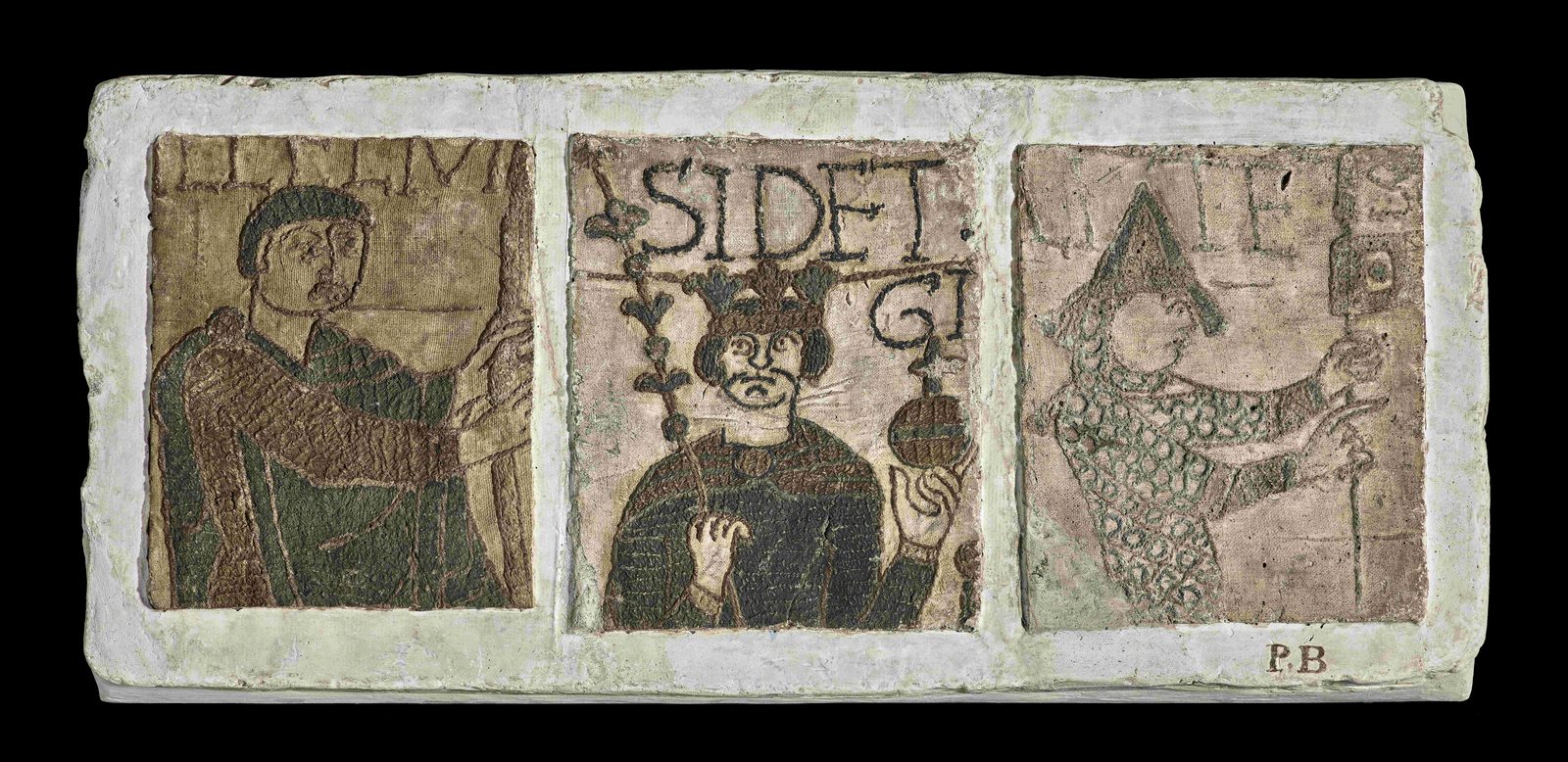
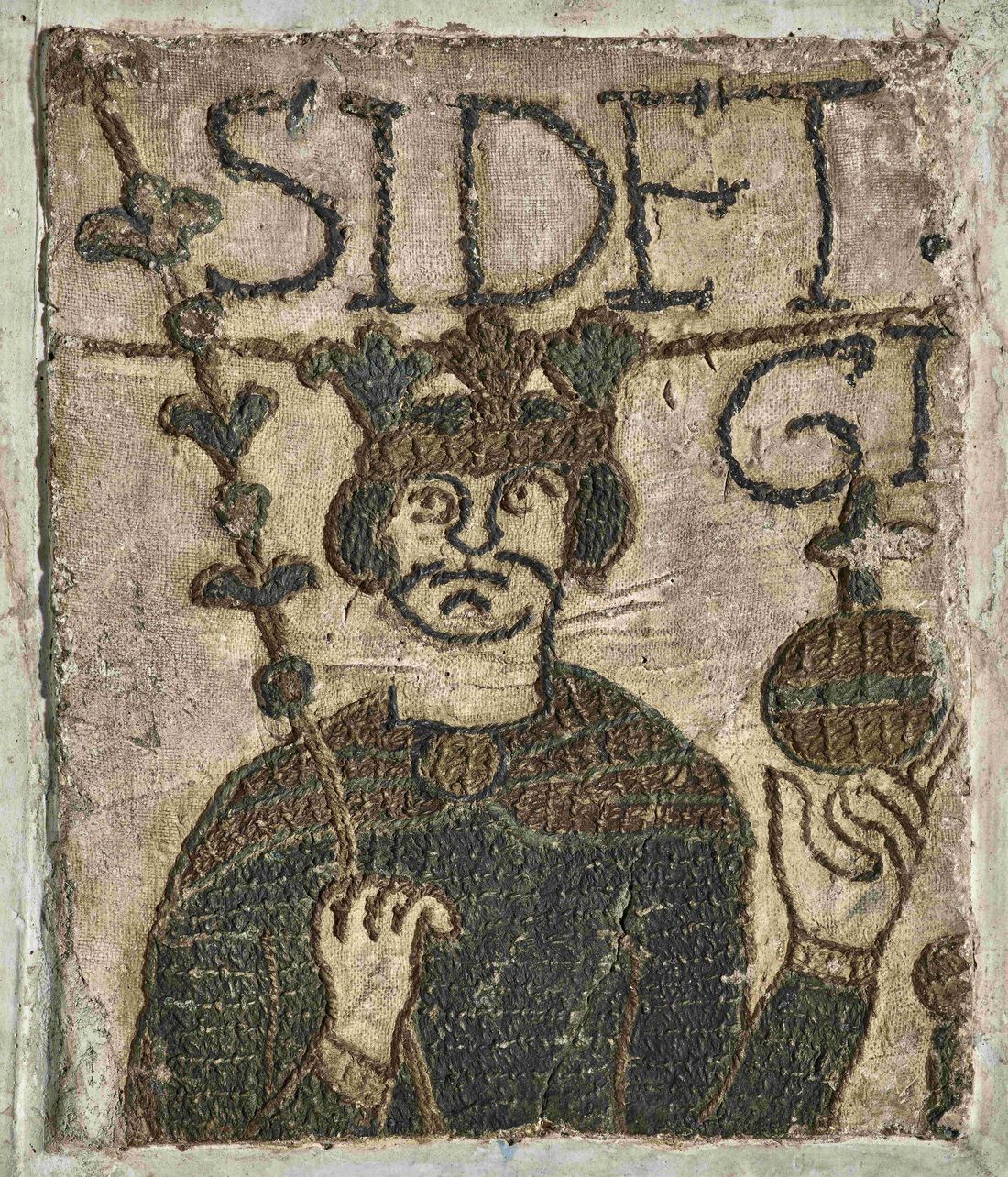
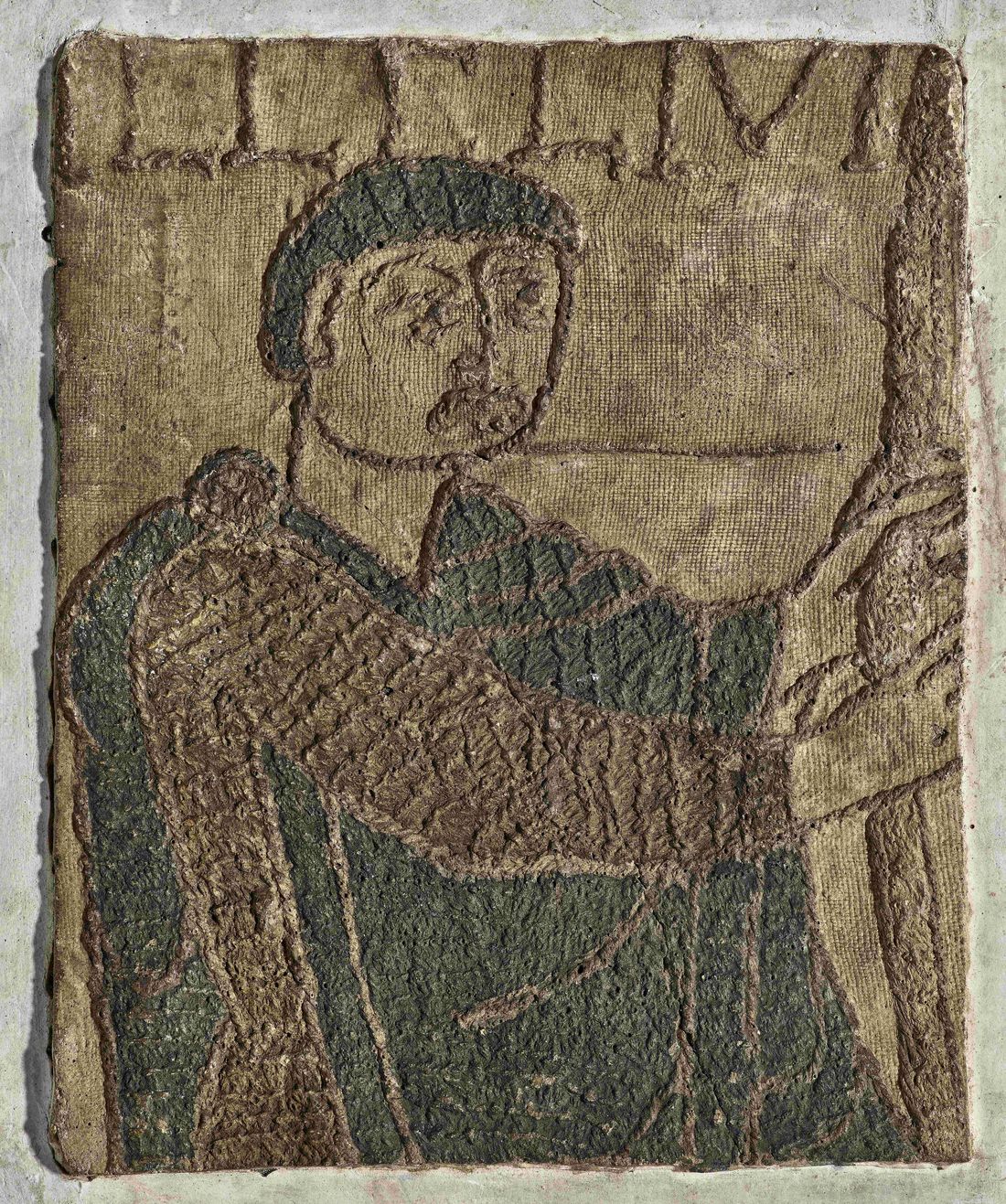
The first thing to notice is that the Bayeux Tapestry is not technically a tapestry at all. Images and Latin inscriptions are embroidered in coloured wool onto linen. Look closely and the drama depends on remarkably economical means: outlines in stem stitch, broad coloured areas filled with couching, and wool dyed in earthy reds, blues, yellows and greens produced from plants including madder, woad and weld. The people who made it remain unknown; the work is generally associated with English embroidery workshops and a Norman patron, with Bishop Odo of Bayeux often proposed as its commissioner. The Bayeux Museum's study of the embroidery is particularly useful for understanding how little material was needed to create such visual momentum.
Do not hurry towards the Battle of Hastings. Some of the most revealing passages come earlier: ships are constructed and loaded; horses are led into vessels; men eat at a table; messengers travel between courts; architectural forms rise behind the protagonists. Ten colours of wool are sufficient to distinguish hundreds of human figures and more than 200 horses. Hair and clothing also work as visual shorthand, helping the viewer distinguish Normans and Anglo-Saxons. By the time the cavalry charges into battle, the embroidery has already spent metres teaching you how to read its world.
One of the exhibition's most important supporting documents predates the conquest by only six years. Edward the Confessor's charter of 1060 grants land at Wheathampstead in Hertfordshire to Westminster Abbey. Its language shifts from Latin for the legal act to Old English for the land boundaries, and among the witnesses is Earl Harold — the future King Harold II whose struggle with William forms the centre of the Tapestry's narrative. Seeing an actual document bearing the names of people represented in embroidery collapses the distance between image and historical record.
Another loan, Bodleian Library MS Junius 11, belongs to approximately the same visual culture from which the Tapestry emerged. This richly illustrated manuscript of Old English biblical poetry was made around the year 1000, probably in England and possibly at Canterbury. The exhibition draws attention to similarities in the depiction of clothing, ships and everyday objects, raising the possibility that manuscript imagery of this kind was available to the designers of the Tapestry. Here the drawings are not a decorative footnote: they help explain where an 11th-century artist might have learned to turn complex stories into sequences of immediately legible pictures.
Then look at the Chew Valley Hoard. Its silver pennies are tiny beside the embroidery, but historically they may be among the most eloquent objects in the room. Buried in Somerset around 1067–68, the hoard contains 2,584 coins: 1,240 issued under Harold II, 1,343 under William I and one associated with Edward the Confessor. On this small scale, the change of regime becomes literal. The face and authority of one king give way to another, while the decision to bury so much silver speaks to the insecurity of the years immediately following the conquest.
Perhaps the sharpest contrast of all comes from William I's charter to London. Issued in 1067, it measures only about six inches long and is written in Old English rather than William's Norman French. It confirms that Londoners should retain the laws and customs they had enjoyed under King Edward and bears one of the earliest surviving seals from William's reign. Beside an embroidery filled with invasion, battle and political uncertainty, this tiny document shows another side of conquest: the new king presenting himself as a guarantor of continuity. The The London Archives' account of the William Charter gives useful additional context.

Planning Your Visit: Dates, Tickets & Tips
The Bayeux Tapestry is expected to attract exceptional demand, so this is not an exhibition to leave until you arrive in London. Public tickets are released by the British Museum in phases and use timed entry. The experience itself is designed to last around 60 minutes, but allow additional time before your slot for the Museum's security and bag checks. International visitors building a full day around Bloomsbury should avoid scheduling another fixed appointment immediately afterwards.
The exhibition has its own extended opening schedule, with current published hours of 10.00–18.00 Sunday to Wednesday and 10.00–21.00 Thursday to Saturday. Holiday arrangements can differ, and the British Museum is normally closed from 24 to 26 December, so check the official exhibition page again shortly before your visit.
Tickets use tiered pricing according to the day and time of the visit, with adult admission currently ranging from £25 to £33. Under-16s can visit free when accompanied by an adult. Because ticket releases are phased through the exhibition's long run, availability for later 2027 dates may appear separately rather than all at once.
The Bayeux Tapestry requires a separate exhibition ticket sold by the British Museum; admission to the British Museum's permanent collection remains free and can be visited independently or with a private guide. This distinction matters when planning your day: your exhibition ticket is for the temporary show, while a guided visit with London Museum Tours covers the Museum's permanent collection only.
Make a Day of It: The Bayeux Tapestry and the British Museum
The exhibition is ticketed and visited on your own. The rest of the British Museum is free, and with around eight million objects it is easy to spend two hours without finding the pieces that matter most. A 2-hour private tour of the permanent collection, before or after your exhibition slot, gives you a structured route through the highlights with an expert guide.
See the British Museum Private TourWhy Visit The Bayeux Tapestry?
This is one of those rare exhibitions in which fame has not exhausted the object. Most visitors know the Tapestry through textbook details, cropped reproductions or the famous scenes surrounding the Battle of Hastings. Standing before the original changes the scale of the encounter. The narrative does not arrive as a single image: it unfolds physically, metre by metre, forcing you to move alongside it as the story progresses.
Its appeal also goes far beyond military history. The embroidery preserves ships and sails, armour, dining customs, furniture, hairstyles, gestures and animals with a directness that makes the 11th century unexpectedly visible. Even a visitor with little interest in medieval dynastic politics can read it as visual storytelling — an extraordinarily ambitious attempt to make people, places, loyalties and violence understandable without relying on long written explanations.
At the same time, it should not be mistaken for a neutral photograph of 1066. The work presents events through a particular political and artistic lens. That is precisely why the supporting charters, manuscript and coins matter: they allow the visitor to compare an embroidered narrative with documents and objects created by people living through the same upheaval. The exhibition's greatest achievement may therefore be not simply bringing a famous masterpiece to London, but making the world around it visible.
Practical Information
- Dates: 10 September 2026 – 11 July 2027
- Opening Hours: Sunday–Wednesday 10.00–18.00; Thursday–Saturday 10.00–21.00. Check the official page for holiday exceptions.
- Location: Room 30, The Sainsbury Exhibitions Gallery, British Museum, Great Russell Street, London WC1B 3DG
- Tickets: Adults £25–£33 depending on day and time; under-16s free when accompanied by an adult. Tickets are sold by the British Museum — official ticket office
- Guided tours: Not available inside the exhibition. Our private tour of the British Museum covers the permanent collection and can be booked for the same day.
- How to Get There: Tottenham Court Road is around a 5-minute walk; Holborn and Russell Square around 7 minutes; Goodge Street around 8 minutes. Numerous bus routes stop on New Oxford Street, Tottenham Court Road, Gower Street and Southampton Row.
Final Thoughts
The Bayeux Tapestry is not simply a document of 1066 but one of the most ambitious surviving works of medieval visual storytelling. Its temporary return to England, combined with a display that lets visitors follow the embroidery in one continuous run, makes the British Museum exhibition an exceptional opportunity to encounter the object at full scale. Give the supporting manuscripts, charters and coins the same attention as the famous battle scenes: they are what turn a celebrated image into a historical world. If you are spending more time at the Museum, consider exploring its permanent collection before or after your exhibition slot.
Author: The London Museum Tours Team
This article was curated by the London Museum Tours team. We run private guided tours of the permanent collections of London's great museums, and we write about the city's temporary exhibitions to help you plan the perfect visit. We do not sell exhibition tickets: they are available only from the host museum.
The Bayeux Tapestry – FAQ
-
Where can I buy tickets for The Bayeux Tapestry?
Tickets are sold only by the British Museum, online at the official exhibition page or at the Museum subject to availability. London Museum Tours does not sell exhibition tickets and cannot book them on your behalf.
-
Can I visit The Bayeux Tapestry with a London Museum Tours guide?
No. Temporary exhibitions are visited independently with your own ticket; our private tours of the British Museum cover the permanent collection only. Many visitors combine the two on the same day: a 2-hour guided tour of the collection followed by the exhibition, or the reverse.
-
How do I combine The Bayeux Tapestry with a guided tour of the British Museum?
Book your exhibition slot first with the British Museum, then choose a private tour time that ends about 30 minutes before it or starts around 30 minutes afterwards. Allow about 60 minutes for the exhibition and 2 hours for the tour; entry to the permanent collection is free. Tour details and availability: British Museum Private Tour.
-
How long should I allow for The Bayeux Tapestry exhibition?
The British Museum describes it as a 60-minute experience, so allow approximately one hour inside the exhibition. Arrive earlier than your ticket time to allow for the Museum's security and bag checks, especially during busy periods.
-
Is The Bayeux Tapestry exhibition suitable for children?
Yes. Under-16s can visit the exhibition free when accompanied by an adult, although they still need to be included in the booking made with the British Museum. The Museum is also providing dedicated school-visit opportunities during the exhibition's run.
-
Can I take photographs inside The Bayeux Tapestry exhibition?
The British Museum normally permits handheld photography for private use in most galleries, but individual loan objects may have restrictions imposed by their lenders. Follow the signs and staff instructions inside the exhibition. Tripods, monopods and selfie sticks are not permitted inside the Museum.
-
Is the British Museum accessible for wheelchair users?
The British Museum provides a step-free easy-access route at the Great Russell Street entrance, and most Museum lifts are wheelchair accessible. Visitors who need specific assistance for The Bayeux Tapestry should check the British Museum's current accessibility information before travelling.
-
Do I also need a ticket for the British Museum's permanent collection?
No. The British Museum's permanent collection has free admission, although the Museum recommends booking a free general-admission time slot at busy times. The Bayeux Tapestry is separate and requires a paid timed ticket sold by the British Museum.